

- Credit Structure for Paramedical Programs in Iran
- Educational Structure of Paramedical Programs in Iran
- Undergraduate Paramedical Studies in Iran
- Master’s Studies in Paramedical Sciences in Iran
- Facilities and Equipment for Paramedical Studies in Iran
- Undergraduate Programs at Paramedical Schools in Iran
- Career Opportunities for Paramedical Graduates in Iran
- Conclusion
- Frequently Asked Questions
Studying paramedical sciences in Iran offers a valuable opportunity for students seeking the practical and scientific skills needed to enter the healthcare system. The programs focus on hands-on, applied training, preparing students for professional roles in laboratories, radiology departments, emergency care, and other paramedical fields.
Iranian paramedical schools, equipped with experienced faculty and advanced laboratory facilities, offer undergraduate and graduate programs in laboratory sciences, radiology, computer science, English and Persian language studies, physical education, and medical media.
These programs combine theoretical instruction with practical training, clinical exercises, and specialized workshops, equipping students for pre-hospital care and advanced life support while laying a solid foundation for further studies or entry into the workforce.
Credit Structure for Paramedical Programs in Iran
- Continuous B.Sc.: 132 credits
- Discontinuous B.Sc.: 69 credits
- M.Sc.: 28–32 credits
Educational Structure of Paramedical Programs in Iran
- Programs combine theoretical and practical training
- Emphasis on developing specialized paramedical skills
- Prepares students for professional practice and further graduate studies
Undergraduate Paramedical Studies in Iran
Full-time undergraduate paramedical students holding an Iranian student visa can enroll in 12 to 20 credits per semester, with a maximum of 6 theoretical credits allowed during the summer term. The maximum duration for discontinuous B.Sc. programs is three years (six semesters), while continuous B.Sc. programs span six years (12 semesters).
Each credit represents a defined portion of the curriculum in a semester, including 17 hours of theoretical instruction, 34 hours of practical training, and 51 hours of fieldwork. Regular semesters last 17–18 weeks, and summer terms consist of six weeks of instruction, with any time beyond the summer term not counted as instructional.
This structure ensures students gain both the necessary theoretical knowledge and sufficient hands-on field experience to pursue professional roles across paramedical fields, including clinical laboratories, radiology, and pre-hospital care.
Master’s Studies in Paramedical Sciences in Iran
In non-continuous master’s programs in paramedical sciences, the total number of credits—including thesis credits—varies between 28 and 32, depending on the field of study. Thesis credits range from 4 to 10 for all disciplines, in accordance with the regulations of the Supreme Council for Medical Education Planning.
Master’s students are required to enroll in 8 to 14 credits per semester unless fewer than 8 credits remain to complete the degree. In exceptional cases, with departmental recommendation and approval from the faculty or university graduate council, this limit can be increased to a maximum of 16 credits. During the final semester, students may register for fewer than 8 credits, and in summer terms, a maximum of 4 credits can be taken.
This structure ensures that students acquire advanced scientific and practical skills in paramedical fields while providing adequate time and resources to conduct research and complete their specialized thesis.
Facilities and Equipment for Paramedical Studies in Iran
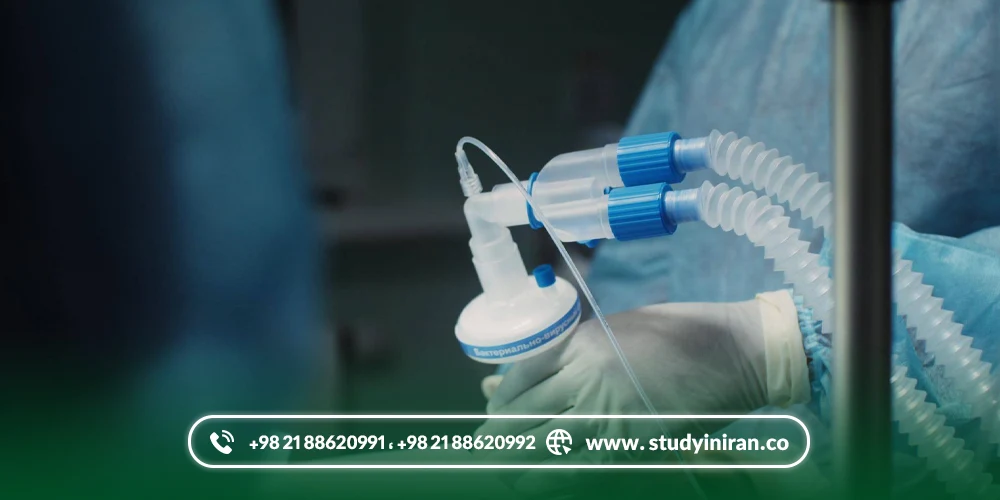
Students enrolled in paramedical schools across Iran have access to a wide range of educational and support facilities, with additional specialized resources provided specifically for their programs.
Educational Facilities:
- Bio Bank: A comprehensive collection of DNA and serum samples from patients and healthy individuals, serving as a valuable resource for national and international research collaborations.
- Nucleic Acid Amplification Equipment: Multiple advanced thermal cyclers for DNA amplification, optical densitometers to measure DNA/protein concentrations, and computer-linked Gel-Documentation systems with UV light for visualizing amplified DNA.
- Cell and Tissue Culture Facilities: Three fully equipped labs with advanced incubators, hoods, and all necessary cell culture equipment.
- Flow Cytometry: Three-color flow cytometer with red laser and cell sorting capability, including software for cell cycle and apoptosis analysis.
- Real-Time PCR: Advanced systems for quantitative gene expression studies and accurate DNA amplification detection.
- Gene Transfer Systems: Tools for prokaryotic and eukaryotic cell transformation via electroporation, lipofection, calcium-phosphate methods, and viral transduction using adenoviral vectors.
- Proteomics Suite: IEF cell with second-dimension PAGE, densitometer, and Prodigy software for 2DE gel analysis and comparison.
- HPLC Systems: Advanced HPLC for protein purification.
- Additional Equipment: DNA/RNA extraction tools, ultrapure and deionized water systems, standard and refrigerated centrifuges, sonicators, ELISA and plate readers, and more.
- Scholarships: Paramedical students can benefit from Study In Iran scholarships, making education in this field both accessible and cost-effective.
Laboratories:
- Parasitology, microbiology, and hematology labs at Shahid Faghihi Hospital.
- Biochemistry, virology, immunology, radiobiology, dosimetry and radiation protection, quality control, radiology, simulation and medical imaging, physics, English, and computer labs within paramedical schools.
These facilities and laboratories provide students with advanced practical skills across various paramedical fields, preparing them for professional practice and specialized research.
Undergraduate Programs at Paramedical Schools in Iran
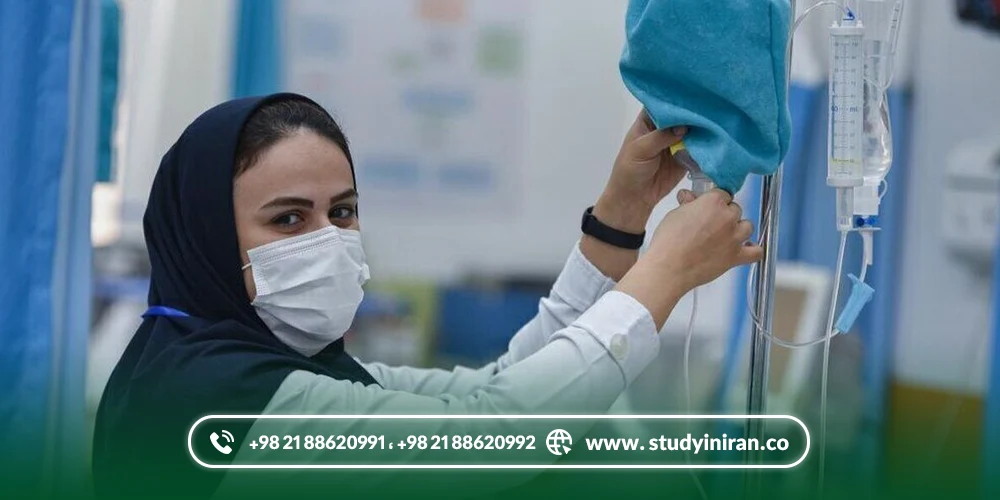
- Operating Room Sciences
This program trains students in modern surgical room principles and technologies for both specialized and super-specialized surgeries. Graduates learn to manage preoperative patient preparation, intraoperative care, and postoperative follow-up professionally, contributing effectively as members of healthcare teams.
- Anesthesia
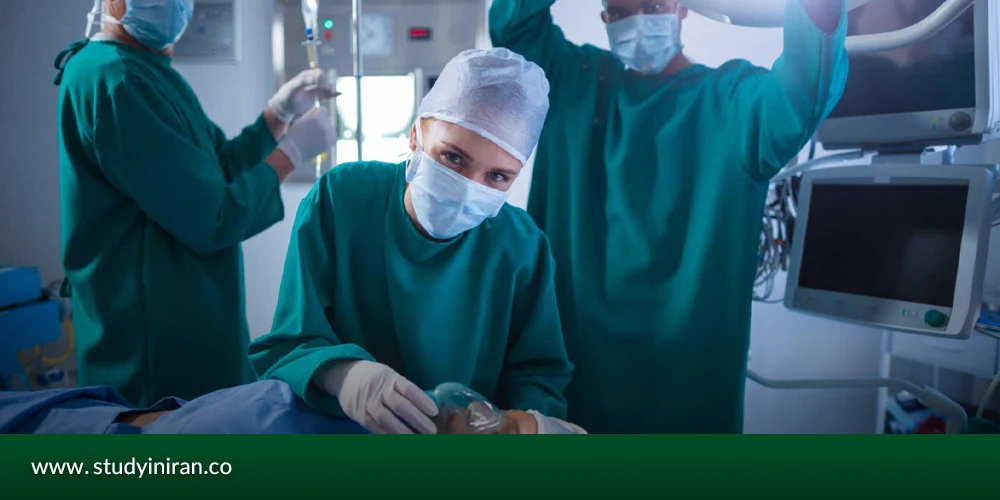
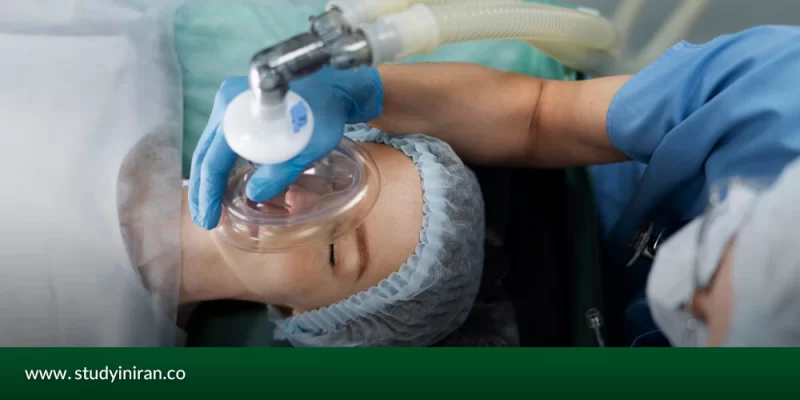
Students gain comprehensive knowledge of anesthesia methods and equipment used in advanced surgeries, including cardiac, pulmonary, neurological, and transplant procedures. The program also covers post-anesthesia care units (PACU), acute pain management, and emergency services, keeping students up to date with current anesthesia practices.
- Laboratory Sciences
Focused on medical laboratory work, this program equips students with skills to analyze blood, bodily fluids, and tissue samples for disease diagnosis and health monitoring. Laboratory methods are continually validated to ensure accuracy, sensitivity, and adherence to high diagnostic standards.
- Physiotherapy and Rehabilitation
Students learn to assess and rehabilitate patients with injuries or mobility impairments. The program emphasizes restoring physical function and improving quality of life, combining hands-on practice with modern rehabilitation techniques.
- Emergency and Pre-Hospital Care
This program prepares students to manage critical situations and provide pre-hospital care. Students gain experience in emergency scenarios and rapid intervention techniques, developing practical skills essential for saving lives.
- Medical Imaging Technology
Students are trained in radiology and advanced imaging applications, focusing on accurate disease diagnosis and providing precise clinical information for healthcare teams. The curriculum includes practical expertise in operating imaging equipment and interpreting medical images.
Paramedical schools in Iran leverage experienced faculty, modern laboratories, and advanced educational resources to ensure students acquire both theoretical knowledge and practical skills necessary for professional practice and specialized services across paramedical fields.
Career Opportunities for Paramedical Graduates in Iran
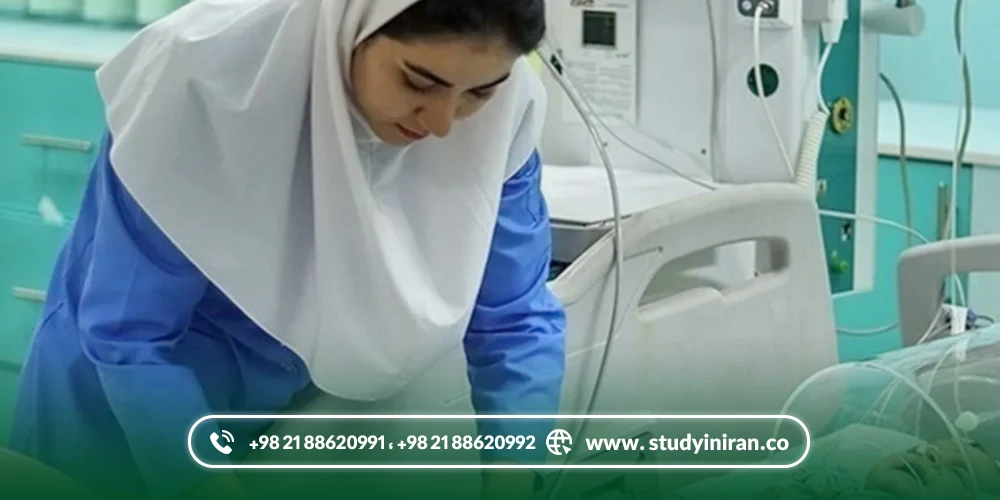
Graduates of paramedical programs in Iran gain access to high-demand, stable professions that play a crucial role in healthcare delivery:
Radiology Technician
With the growing use of imaging technologies such as MRI, CT scans, and ultrasound, radiology technicians are essential. They operate imaging devices accurately, prepare medical images for diagnosis, and support the diagnostic process, reducing errors and enhancing patient care.
Laboratory Technician
Responsible for performing diagnostic tests on blood, urine, tissue, and other bodily fluids, laboratory technicians provide critical data for disease detection and health monitoring. Modern training equips them to work with advanced laboratory equipment and software, ensuring precise data analysis.
Dialysis Technician
Rising cases of kidney disease and chronic renal failure have increased demand for dialysis technicians. They operate and monitor dialysis machines, track patients’ vital signs, and respond promptly to complications, ensuring effective and safe treatment.
Operating Room Technician
These professionals are integral to surgical procedures. They prepare and sterilize instruments, coordinate with surgical teams, and monitor pre-, intra-, and post-operative processes. Proper training ensures patient safety and smooth surgical operations.
Emergency Medical Technician (EMT)
EMTs are first responders in emergencies and accidents, providing lifesaving care. They are trained for rapid intervention, patient monitoring, transport to medical centers, and emergency decision-making, including CPR and crisis management.
Government Job Opportunities After Paramedical Programs
Many graduates pursue public sector roles, with continuous recruitment in areas such as:
- Radiology departments
- Laboratory assistants
- Blood bank technicians
- ECG technicians
- Community health personnel
These positions offer stable employment while allowing graduates to contribute directly to public health and patient care.
Conclusion
Studying paramedical fields in Iran offers a unique opportunity to acquire both scientific knowledge and practical skills across various healthcare areas. Iranian universities provide up-to-date curricula, advanced laboratories, and experienced faculty, creating a dynamic and professional environment for training paramedical specialists.
Graduates leave these programs well-prepared to enter the workforce and provide professional services in hospitals, clinics, and laboratories. For guidance on selecting programs, universities, and navigating the admissions process, Study in Iran can help plan your academic path effectively.
Frequently Asked Questions
Common programs include Laboratory Sciences, Anesthesia Assistant, Operating Room Sciences, Physiotherapy, Medical Imaging Technology, and Emergency Medical Services.
Bachelor’s programs typically last 3 to 4 years and may include practical and summer internships. Master’s programs usually take 2 to 3 years.
Yes, many Iranian universities accept international students and provide appropriate educational and practical training opportunities.
Students acquire hands-on experience through internships in laboratories, hospitals, and training centers, practice in operating rooms and emergency departments, and use of advanced educational equipment.
Admission is generally based on national exam results, high school GPA, and specialized interviews. Some universities also have specific criteria for international applicants.
Yes, graduates can work in hospitals, clinics, laboratories, imaging centers, and emergency medical services, or pursue advanced studies in higher education.


0 Reply To “Studying Paramedical Sciences in Iran”