

- Medical Programs in Iran for International Students
- Top Medical Universities in Iran
- How to Apply for Medicine in Iran
- Requirements for Studying Medicine in Iran
- Cost of Studying Medicine in Iran
- Scholarships for Medical Students in Iran
- Steps After Admission to Medicine in Iran
- Final Word
- Frequently Asked Questions
Iran is becoming an increasingly popular destination for international students pursuing medicine in Iran and other healthcare degrees. With its strong academic tradition, modern facilities, and affordable tuition fees, Iran offers a practical and enriching environment for studying medicine, dentistry, pharmacy, nursing, and public health.
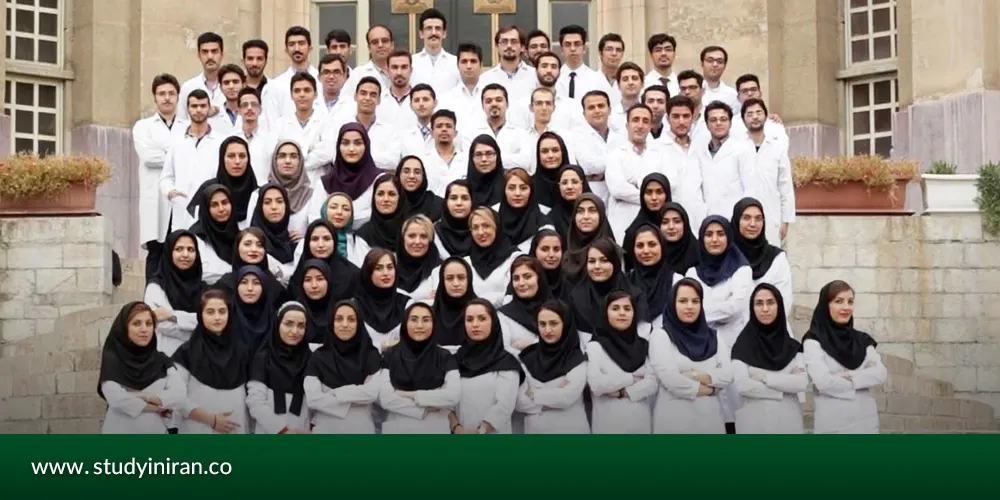
Today, over 14 accredited medical universities operate across the country, many of which are recognized by global institutions such as the World Health Organization (WHO) and UNESCO. Leading schools include Tehran University of Medical Sciences, Shahid Beheshti University of Medical Sciences, Mashhad University of Medical Sciences, and Tarbiat Modares University. These universities combine solid academic coursework with hands-on clinical training through well-equipped teaching hospitals.
This guide walks you through everything you need to know about applying to medical programs in Iran, including entry requirements, available scholarships, and career prospects after graduation.
Medical Programs in Iran for International Students
First Three Years Courses:
- Medical Chemistry and Physics
- Cytology and Parasitology
- Introduction to Medical Studies
- Anatomy, Histology, and Embryology
- Medical Terminology
- Philosophy of Medicine
- Preclinical Studies
- Nutrient Absorption and Homeostasis Module with Respiratory System
- Human Reproductive Health and Social Medicine
- Essentials of Clinical Studies
- Fundamentals of Neuroscience
- Elective Courses in Medical Foundations
- Elective Courses in Fundamental Philosophy
- Elective Courses in Humanities Topics
Final Years Courses:
- Cardiovascular and Endocrine Diseases
- Chest Diseases Module
- Allergy and Clinical Immunology
- Hematology and Oncology
- Dermatology, Sexually Transmitted and Infectious Diseases
- Psychiatry and Clinical Psychology
- Public Health
- Obstetrics and Gynecology Modules
- Gastrointestinal Diseases Modules
- Pediatric Diseases Modules
- Neurological Diseases Modules
- Kidney and Urinary Tract Diseases Modules
- Eye, Ear, Nose, Throat, and Maxillofacial Diseases Modules
- Geriatric Medicine Modules
- Clinical Toxicology
- Family Medicine
- Clinical Practice
- Elective Specialty Topic
- Elective Research Project
Top Medical Universities in Iran
Iran University of Medical Sciences
- National subject ranking: 327
- National university ranking: 1089
- Global ranking: Top 6%
Shahid Beheshti University of Medical Sciences
- National subject ranking: 336
- National university ranking: 1087
- Global ranking: Top 6%
Mazandaran University of Medical Sciences
- National subject ranking: 379
- National university ranking: 613
- Global ranking: Top 3%
Shiraz University of Medical Sciences
- National subject ranking: 383
- National university ranking: 889
- Global ranking: Top 5%
Kurdistan University of Medical Sciences
- National subject ranking: 390
- National university ranking: 605
- Global ranking: Top 3%
How to Apply for Medicine in Iran
The application process for medical programs in Iran is straightforward but requires careful attention. It is done through an online system where you must register and complete various sections. The steps include:
- Enter your personal information such as name, date of birth, and nationality.
- Upload your academic documents, including high school diploma or relevant university degrees.
- Provide financial details, explaining how you plan to cover your tuition and living expenses.
- Write a motivation letter outlining your goals and reasons for wanting to study medical sciences in Iran.
Applications are reviewed by universities, and some programs may require an interview as part of the selection process. Make sure to complete every section of the application form and double-check your information before submission. Any incomplete or incorrect details may cause delays or rejection of your application.
Requirements for Studying Medicine in Iran
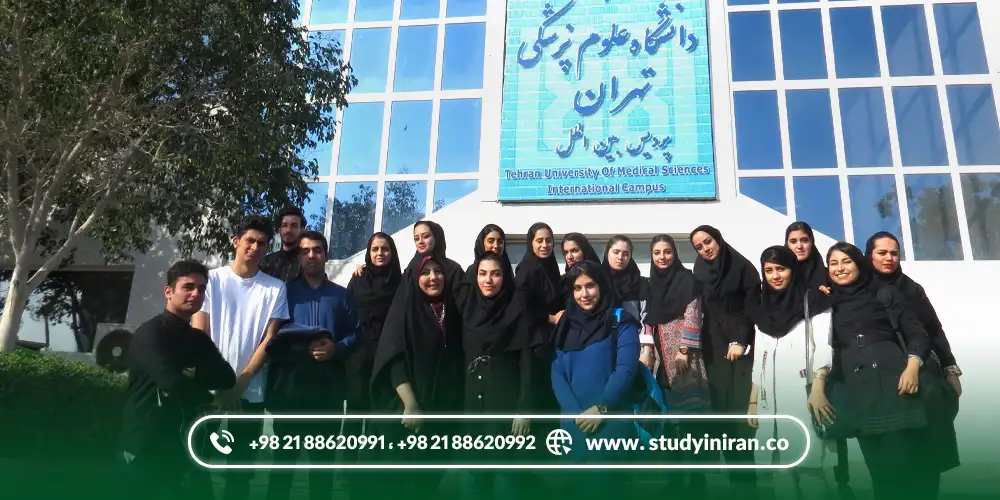
International students aiming to study medical sciences and obtain a student visa for Iran must meet specific eligibility, academic, and documentation criteria. Below is a detailed overview of admission requirements for undergraduate, master’s, and doctoral programs in Iran.
Residency and Eligibility for International Students
Applicants must hold valid residency documents, including:
- Valid passport with at least six months’ validity and residence permit
- Politically recognized refugee status confirmed by Iranian authorities
- Identification card for non-Iranian residents issued by the Ministry of Interior
- Valid refugee card recognized by the Ministry of Interior or relevant agencies
Students admitted through institutions like Al-Mustafa International University may initially register with temporary residency documents but must later provide a valid passport, student visa, and legal residence permit to complete registration.
Academic Requirements for International Students
Undergraduate
- High school diploma or equivalent with coursework in biology, chemistry, mathematics, and physics
- English proficiency:
- IELTS minimum 5.5
- TOEFL iBT minimum 69
- TOEFL PBT minimum 525
If language requirements are not met, students may need to complete prerequisite language courses.
Required documents:
- Motivation letter explaining interests and reasons for studying in Iran
- Curriculum vitae (C.V.)
- Passport copy
- Personal photo
Master’s Degree
- Academic transcripts and diplomas from previous degrees
Additional documents:
- Two recommendation letters from professors or academic advisors
- Statement of purpose outlining goals and expectations
- Detailed C.V. highlighting academic achievements and relevant experience
- Research documentation if applicable (published papers, conference presentations, authored books)
Doctorate (Ph.D.) in Medical Sciences
- Minimum GPA: 14 out of 20 in the previous master’s program. Any discrepancies in reported GPA may lead to registration cancellation.
- No repetition: Students cannot pursue the same or equivalent degree already earned in Iran.
- Language of instruction: Most programs are in Persian; students may be required to complete preparatory Persian language courses.
Cost of Studying Medicine in Iran
Studying medicine in Iran is affordable for international students. Annual tuition fees for programs like general medicine typically range from $3,000 to $10,000 USD, depending on the university, location, and program level. Besides tuition, living and other education-related expenses in Iran are relatively low, making it a more economical choice compared to many Western countries for medical studies.
Scholarships for Medical Students in Iran
International students aiming to study medicine in Iran can apply for scholarships to reduce their expenses. Applicants must obtain an official approval letter from the Educational Services Center of the Ministry of Health and upload it during registration.
Types of Medical Scholarships in Iran
1. Shiraz University of Medical Sciences Scholarships
Full scholarship covering tuition, dormitory, three daily meals, health insurance, and monthly living expenses
Requirements:
High school GPA above 80%, age over 18, non-Iranian nationality, proficiency in Persian or English
Benefits:
Various plans (A, B, C) offering partial or full coverage of costs
2. TUMS (Tehran University of Medical Sciences) Scholarship
Up to 50% tuition discount for top students in medicine, dentistry, pharmacy, and paramedical sciences
Application through the university’s online form
3. Government & Ministry Scholarships
Full scholarship covering tuition, dormitory, living expenses, insurance, and Persian language course
Requirements:
Strong academic performance, priority given to fields like medicine, engineering, basic sciences, Persian studies, and Islamic sciences, and preference for students from countries with friendly relations with Iran
4. Kermanshah University of Medical Sciences (KUMS) Scholarship
Scholarships for international bachelor students in medicine, nursing, health sciences, etc.
Full or partial tuition coverage plus dormitory and health insurance
Requirements:
High grades, valid diploma, English proficiency with minimum IELTS 5.5 or equivalent
5. Islamic Development Bank (IDB) Scholarship
Specialized scholarships in medicine, engineering, agriculture, and other fields offered by the Islamic Development Bank
Requirements:
Citizenship of Islamic countries, strong academic record, and English proficiency
Steps After Admission to Medicine in Iran
After getting accepted, you need to apply for an Iranian student visa by submitting your acceptance letter and ID documents to the embassy. Some programs might also ask for a special registration code from Iran’s education system.
Final Medical Exam in Iran
After admission and during medical studies, students must pass a final exam to graduate, consisting of two parts:
- Written exam: equivalent to the pre-internship test
- Practical exam: OSCE (Objective Structured Clinical Examination) assessing clinical skills
Each part counts for 50% of the final grade, balancing theoretical knowledge and practical ability.
Changing Programs in Medical Fields
In some cases, students can switch from medicine to another medical-related program, subject to approval by the foreign student admission committee. Requirements include:
- Passing the pre-internship exam
- Successfully completing an 18-month internship
Students dismissed due to academic regulations may be transferred to lower-level programs with the educational council’s approval, under strict rules.
Credit Transfer
International students who previously studied elsewhere can apply for course credit transfer if:
- At least 80% content match with the new program
- Minimum grade of 12/20 in each transferred course
- Courses completed within the last five years
These ensure transferred credits are academically valid and relevant to the current program.
Final Word
Studying medicine in Iran offers international students a unique opportunity to learn in a scientific, clinical, and multicultural environment. With affordable tuition fees, high-quality education, and experienced faculty, Iran is becoming a growing destination for aspiring medical professionals. If you want to start your career path in the heart of the Middle East, Study in Iran Institute provides an official and reliable platform to access information, explore universities, and enroll in medical programs in Iran. Build your future from here.
Frequently Asked Questions
High school diploma, transcripts, passport, photo, health certificate, NEET scorecard, and language proficiency certificates (if needed).
Minimum age of 17 years and a suitable GPA in basic science subjects (biology, chemistry, physics) are mandatory.
Yes, most reputable universities offer programs taught in English.
Tuition for international students usually ranges from $1,000 to $5,000 per semester.
Yes, some universities require an entrance exam or interview, and passing the NEET exam is mandatory.
Typically 7 years, including theoretical courses and clinical internships.
Clinical internships, OSCE practical exams, and hospital training.
After university admission, you must apply at the Iranian embassy with your acceptance letter and required documents.
Yes, but practicing medicine abroad usually requires passing the respective country’s licensing exams.
Yes, language courses are available for students who need to learn Persian.
Jobs in hospitals, clinics, research centers, or further studies inside and outside Iran.
Yes, government, university, and foundation scholarships are available.


0 Reply To “Study Medicine in Iran”