


- Benefits of Studying Dentistry in Iran
- Admission Requirements for Studying Dentistry in Iran
- Application Requirements for Dentistry Programs in Iran
- Dental School Admission Timeline in Iran
- Top 10 Dental Schools in Iran (BDS Programs)
- Cost of Studying Dentistry in Iran
- Jobs and Salaries for Dental Graduates in Iran
- Final Words
- Frequently Asked Questions
Studying dentistry in Iran is a popular choice for international students seeking high-quality education, affordable tuition, and a unique cultural experience. Iranian medical universities offer dentistry programs in Persian, though some institutions also provide instruction in English. These programs not only equip students with the theoretical knowledge and practical skills required to enter the dental profession, but also place them in clinical environments where they have the opportunity to work directly with real patients throughout their studies.
Benefits of Studying Dentistry in Iran
Strong Academic Training
Iranian dental schools offer solid academic and clinical programs. Students receive a well-rounded education that balances theory with hands-on experience, preparing them for real-world practice.
Modern Facilities
Most schools are equipped with updated dental clinics, simulators, digital tools, and specialized labs, giving students access to the latest technology and techniques in the field.
Experienced Faculty
Courses are taught by highly qualified professors and clinicians who guide students through both classroom learning and clinical work.
Affordable Tuition
Compared to many countries, the cost of studying dentistry in Iran is relatively low, making it an appealing option for international students looking for high-quality education at a reasonable price.
Clinical Experience with Real Patients
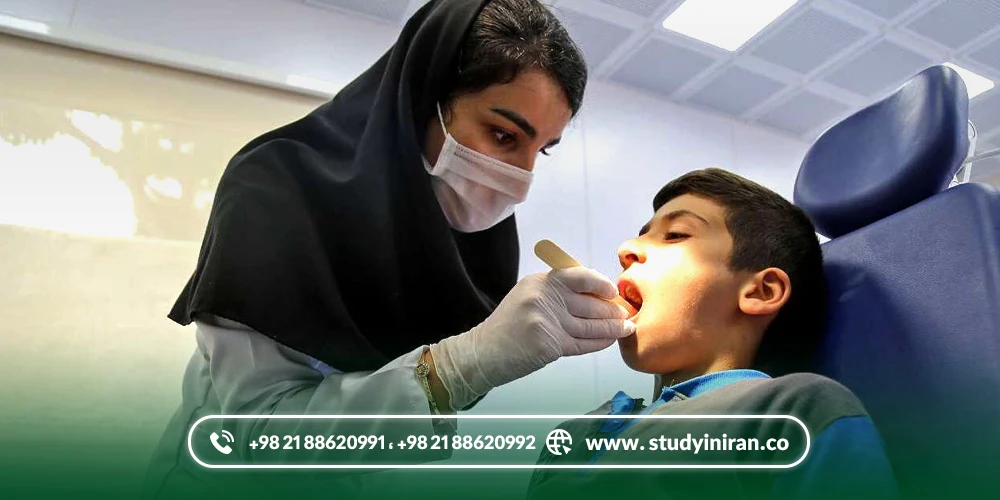
From the middle years of the program, students begin working directly with patients under supervision. This early exposure helps build confidence and practical skills.
Rich Cultural Experience
Studying in Iran means being part of a country with deep cultural roots and a welcoming atmosphere. International students often find the cultural exchange just as rewarding as their academic experience.
Research Opportunities
Many universities in Iran actively support dental research. Students can participate in projects, publish papers, and work closely with faculty on scientific studies.
Globally Recognized Degrees
Degrees from top Iranian dental schools are recognized in many countries, making it easier for graduates to continue their studies or practice dentistry abroad after completing licensing requirements.
Career Connections
Students build valuable professional networks during their studies, which can lead to job opportunities, collaborative projects, or entry into postgraduate programs.
Diverse Career Paths
After graduation, dentists can work in private clinics, public healthcare systems, research centers, or universities. Some even pursue further specialization or move abroad to practice.
Admission Requirements for Studying Dentistry in Iran
Getting into dental schools in Iran is highly competitive. Applicants need a high school diploma and must pass the national university entrance exam—a 4.5-hour multiple-choice test covering math, science, literature, and foreign languages. A high score allows students to apply for programs in medicine, dentistry, or pharmacy, and qualify for a student visa.
Public universities in Iran are tuition-free and highly selective. Only top scorers are admitted. Admission to Islamic Azad University and international branches of public universities is more accessible but comes with tuition fees.
DDS Degree Program Structure
Iran’s dental program takes 6 years and includes:
- 2 years of basic science courses, ending with a qualifying exam
- 3 years of preclinical and clinical training
- A 1-year internship, during which students must complete and defend a research thesis
Throughout the program, students train in university hospitals under the supervision of licensed faculty and treat real patients. After graduation and a successful thesis defense, students are awarded a Doctor of Dental Surgery (DDS) degree.
Licensing Requirements
To legally work as a dentist in Iran, graduates must register with the Iranian Medical Council (IRIMC) and get a professional license. This is only granted after completing mandatory public service.
Mandatory Service
Male graduates must complete up to 2 years of government service. For dental specialists, the service period ranges from 4 to 12 years, depending on Ministry of Health policies. Once completed, dentists are allowed to practice privately.
Registration and License Renewal
Dentists must:
- Register with IRIMC
- Get a membership number and national license (valid across Iran)
- Pay annual fees and keep their personal details updated
- Renew their license every 5 years
To renew, they must complete at least 25 hours of Continuing Professional Development (CPD) per year and submit proof of participation.
Oversight and Disciplinary Action
The Medical Council monitors all licensed professionals. In cases of misconduct or failure to meet standards, it can issue warnings, suspend licenses, or remove practitioners from the registry.
Certificate of Good Standing
Dentists can request a Certificate of Good Standing from IRIMC. It confirms a clean disciplinary record and is sent directly to licensing authorities or employers in a sealed envelope.
Application Requirements for Dentistry Programs in Iran

1. Official Transcripts
High school transcripts showing grades in core subjects like biology, chemistry, physics, and math.
2. High School Diploma
A copy of your diploma or an equivalent certificate confirming the completion of secondary education.
3. Entrance Exam Results
Iranian applicants must submit their national entrance exam (Konkour) scores in relevant science subjects.
4. Persian Language Proficiency
Non-native speakers are required to provide proof of proficiency in Persian, as most dental programs are taught in this language.
5. Identification
A copy of a valid passport or national ID.
6. Passport-Sized Photos
Recent passport-style photos for application forms and official records.
7. Medical Clearance
Some schools require a basic health report to confirm applicants are physically and mentally fit for the program.
8. Personal Statement
A brief essay outlining your motivation for studying dentistry and why you’re applying to a specific university in Iran.
9. Letters of Recommendation
1–3 academic references from teachers or school counselors who can speak to your academic strengths and character.
10. Application Fee
Some universities charge a non-refundable application processing fee.
Dental School Admission Timeline in Iran
1. Fall Intake
The primary admission cycle for dentistry programs in Iran begins in the fall semester, typically starting in September or October. Most medical universities offer their dentistry programs during this intake, and applicants generally have more opportunities and options for enrollment.
2. Spring Intake
Some universities may offer a limited spring intake (starting in February or March), depending on internal scheduling and seat availability. Since fewer programs are available during this period, applicants are strongly encouraged to aim for the fall intake to increase their chances of admission.
Top 10 Dental Schools in Iran (BDS Programs)
| University | Specialized Areas Offered |
| Tehran University of Medical Sciences | Oral and Maxillofacial Surgery, Dental Prosthetics, Orthodontics |
| Shahid Beheshti University of Medical Sciences | Endodontics, Pediatric Dentistry, Periodontology |
| Isfahan University of Medical Sciences | Restorative Dentistry, Oral Pathology, Oral Hygiene |
| Mashhad University of Medical Sciences | Oral Medicine, Oral Radiology, Dental Materials |
| Tabriz University of Medical Sciences | Oral Biology, Dental Anatomy, Dental Ethics and Law |
| Shiraz University of Medical Sciences | Preventive Dentistry, Dental Pharmacology, Dental Education |
| Ahvaz Jundishapur University of Medical Sciences | Community Oral Health, Dental Biomaterials, Implantology |
| Kerman University of Medical Sciences | Dental Anesthesia, Dental Ergonomics, Forensic Dentistry |
| Urmia University of Medical Sciences | Special Care Dentistry, Geriatric Dentistry, Dental Ethics |
| Kermanshah University of Medical Sciences | Dental Technology, Oral Physiology, Dental Public Relations |
Cost of Studying Dentistry in Iran
Annual Tuition Fees for International Students
Based on data from major Iranian universities, the tuition for international dental (BDS) students ranges between $4,300 and $5,500 per year.
Estimated Monthly Living Expenses in Iran
According to recent sources:
- Average monthly expenses (excluding rent): $338–$355
- Including rent, the average monthly cost is approximately $608
- Dormitory accommodation typically costs:
- Around $70/month in Tehran
- Around $50/month in other Iranian cities
Estimated Total Annual Cost for an International Dental Student
| Expense | Approximate Cost (USD) |
| BDS Tuition | $4,300 – $5,500 |
| Living (12 months, incl. rent) | ~$7,300 |
| Total Annual Cost | $11,600 – $12,800 |
Important Notes
- Tuition fees may increase annually by 10–15%
- Opting for university dormitories or shared housing is recommended to reduce expenses
- Iran offers scholarships for international students, which can significantly lower the overall cost — though eligibility requirements apply
Jobs and Salaries for Dental Graduates in Iran
1. General Dentist:
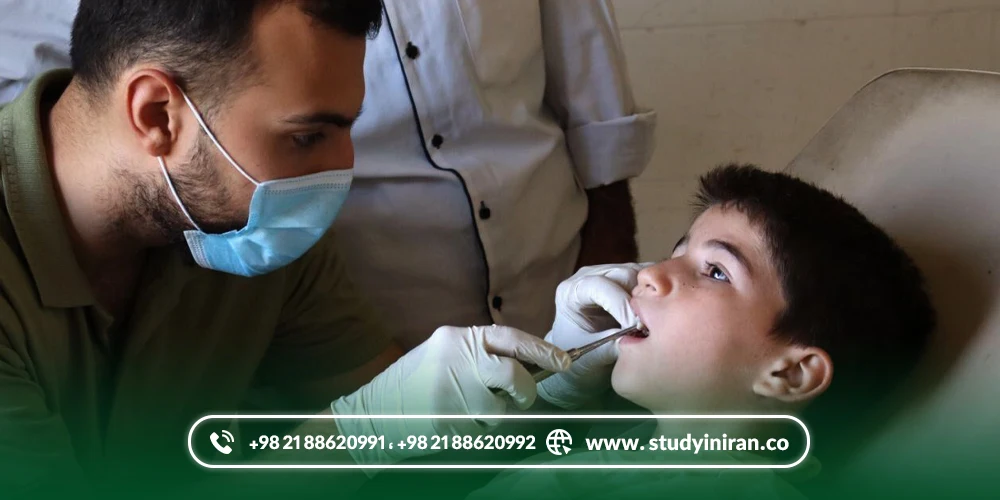
Most dental graduates work as general dentists, providing a range of dental treatments to patients. The starting salary for a general dentist in Iran is around $500 to $1,000 per month, which can increase with experience and skills. Exact pay depends on workplace, experience, and the type of practice.
2. Specialist Dentist:
Some graduates choose to specialize in fields like orthodontics, endodontics, periodontics, oral and maxillofacial surgery, etc. Specialists generally earn higher salaries, usually $1,000 to $1,500 per month or more, depending on their specialty and experience.
3. Academic Career:
Graduates interested in teaching and research can work as faculty members at dental schools or universities. This career offers competitive salaries along with opportunities to participate in research projects and teach students.
4. Public Health Dentist:
Some work in public health focusing on prevention programs and promoting community oral health. Salaries vary depending on roles and responsibilities.
5. Government Jobs:
Graduates can be employed in hospitals, clinics, and public health centers. These positions often provide fixed salaries with additional benefits.
6. Private Practice:
Experienced dentists may open their own private clinics. Income in this case varies widely based on location, patient volume, and services offered.
Final Words
Studying dentistry in Iran offers valuable opportunities for international students seeking quality education, real clinical experience, and affordable costs. Iranian medical universities, equipped with expert faculty, advanced facilities, and standardized programs, prepare students to enter the professional field of dentistry. If you are interested in pursuing this field, the Study in Iran institute provides a reliable platform for guidance, application support, and academic counseling to make your admission process to reputable Iranian universities smoother.
Frequently Asked Questions
The Bachelor of Dental Surgery (BDS) program usually lasts 6 years, including theoretical classes, practical training, and clinical internships.
The main language of instruction is Persian (Farsi), so international students must have sufficient proficiency in Persian.
High school graduates focusing on basic sciences like biology, chemistry, and physics, who pass the national entrance exam, are eligible for admission.
Yes, international students can enroll after submitting required documents and demonstrating proficiency in Persian.
Tuition fees vary depending on the university and city but are generally more affordable compared to many other countries.
Yes, various government, university, and research scholarships are offered to dentistry students.
Graduates can work as general dentists, specialists, university faculty members, researchers, public health dentists, or run private practices.
Degrees are recognized in many countries, though some may require additional certification or exams for professional practice.
Iran offers affordable tuition, relatively low living costs, and a rich cultural experience for international students.
Dentistry faculties are equipped with advanced technologies, specialized laboratories, and clinical centers to support practical student training.


0 Reply To “Studying Dentistry in Iran”