

- Why Migrate and Live in Iran
- Obtaining a Visa and Residency in Iran
- Renting or Buying Property in Iran
- Retirement in Iran
- Cost of Living
- Social Activities and Leisure
- Healthcare System in Iran
- Transportation System in Iran
- Education System in Iran
- Work and Business in Iran
- Banking and Financial Services for Immigrants in Iran
- Safety for Immigrants in Iran
- Climate in Iran
- Access to Iran
- Final Thoughts
- Frequently Asked Questions
Life in Iran offers a unique opportunity to experience a culturally and socially different life. With its rich history, diverse culture, and hospitable people, the country provides a daily life experience that may differ significantly from initial expectations.
For those planning to migrate or live in Iran, a few key points are essential: obtaining a visa and residence permit, choosing suitable accommodation, and becoming familiar with local customs and culture. Learning daily habits and understanding local food and lifestyle will make it easier to integrate into the new community.
For those interested in investing in Iran, having access to detailed information about the real estate market and available opportunities is crucial. This information allows direct consultation with experts so that any questions regarding living, studying, or investing in Iran can be answered accurately and reliably.
Why Migrate and Live in Iran
Iran, with its rich history and culture, is an appealing destination for those seeking a unique experience. People come to the country for various reasons, including job opportunities, interest in its history and culture, or its diverse natural landscapes.
The country is filled with cultural and historical heritage, offering attractions for art, poetry, and architecture enthusiasts. Iran’s natural diversity—from the northern mountains to central deserts and western forests—provides abundant opportunities for adventure and local experiences.
Iran’s economy, supported by natural resources and strategic location, is attractive for trade and investment. Its reputable education system and high-quality universities also draw students and researchers from around the world.
However, living in Iran comes with challenges: international sanctions and political conditions, Islamic laws and cultural norms, and certain limitations such as freedom of expression and dress codes require adaptation.
Learning Persian and respecting local customs are key to having a comfortable and successful experience in Iran.
Obtaining a Visa and Residency in Iran

Iran offers various types of visas for migrants, including tourist, work, study, and business visas, each designed for specific purposes and durations.
Obtaining a visa and residency in Iran can be somewhat complex and time-consuming, so it is recommended to start the application process early. A tourist visa is relatively straightforward for short visits, but a work visa, student visa, or long-term residency requires a more detailed process and additional documents, such as employer sponsorship, admission letters, financial documents, and health insurance.
Iranian immigration regulations may change, and complying with visa requirements is essential to avoid legal issues. For complex legal matters, consulting with a lawyer or immigration specialist is advised. Connecting with migrant communities in Iran can also provide practical guidance and valuable insights.
Renting or Buying Property in Iran
Iran offers a wide range of housing options, from traditional houses and apartments to modern villas and residential complexes. Rental prices in major cities like Tehran are higher, with central and affluent neighborhoods being the most expensive, while smaller cities and rural areas are more affordable. The location of the property, access to urban amenities, and additional features such as balconies or swimming pools determine the price. Foreign nationals can purchase property, but there are restrictions, and buying requires official permits and proof of legal sources of funds; property ownership does not automatically grant legal residency.
Retirement in Iran
Choosing Iran for retirement is usually personal, influenced by cultural ties, interest in history and culture, and lower living costs. Retirees typically live in private houses or apartments, with major cities like Tehran, Shiraz, and Isfahan being popular choices. Challenges include legal complexities, economic fluctuations, limited access to advanced healthcare, language barriers, and social regulations such as dress codes.
Cost of Living
The cost of living in Iran is generally lower than in Western countries, but it varies between cities. In Tehran, monthly expenses range from $1,000 to $1,500, while in cities like Isfahan or Shiraz, they are around $800 to $1,200. Groceries for one person typically cost $150 to $250 per month. A meal at a local restaurant ranges from $5 to $10, and public transportation costs about $0.20 to $0.30 per trip. Monthly taxi usage can range from $50 to $100. To save money, it is recommended to use public transportation, eat at local restaurants, and rent accommodation outside city centers.
These expenses can be even higher for international students who also pay tuition fees. Therefore, if you plan to study in Iran, it is strongly advised to apply for a scholarship. Complete information about eligibility and the application process can be obtained by contacting Study In Iran.
Social Activities and Leisure
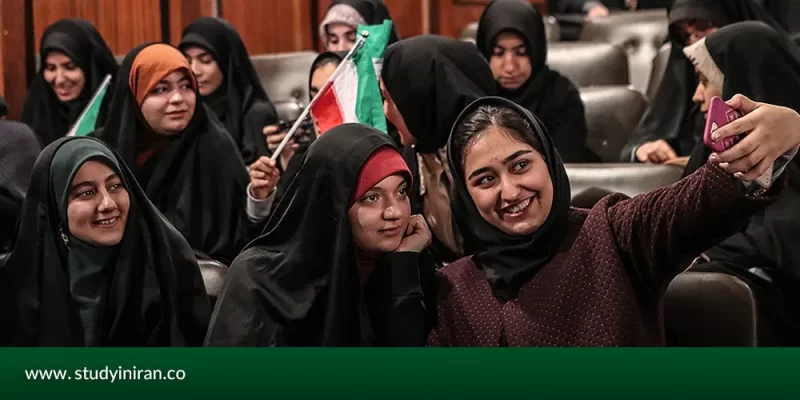
Iran offers a wide range of recreational options. Popular activities include football, hiking, and skiing at resorts like Dizin and Shemshak. Cultural experiences feature visits to historical sites, museums, and ancient monuments, particularly in cities such as Isfahan, Shiraz, and Yazd. Expat communities in major cities organize cultural events, language classes, and social gatherings. Nightlife is mostly private, centered around music and traditional meals, and participation in activities is recommended with respect for local laws and customs.
Healthcare System in Iran
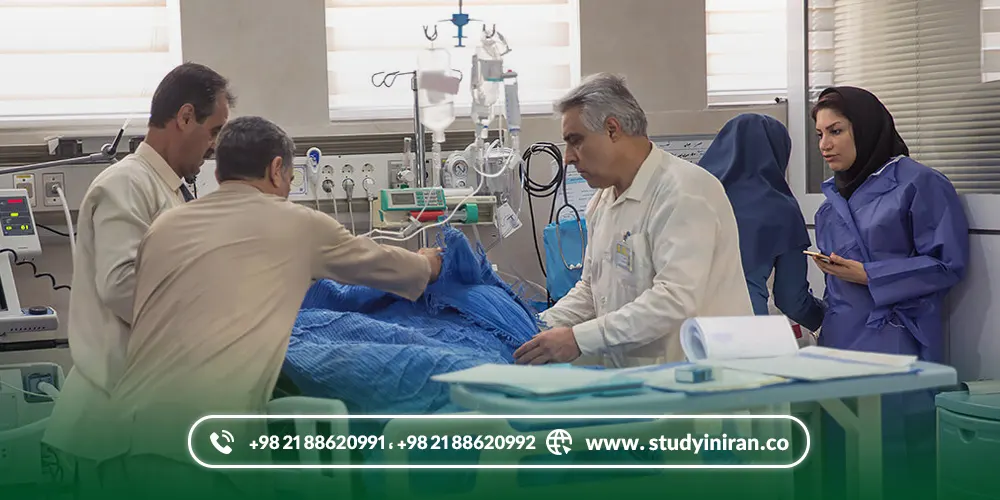
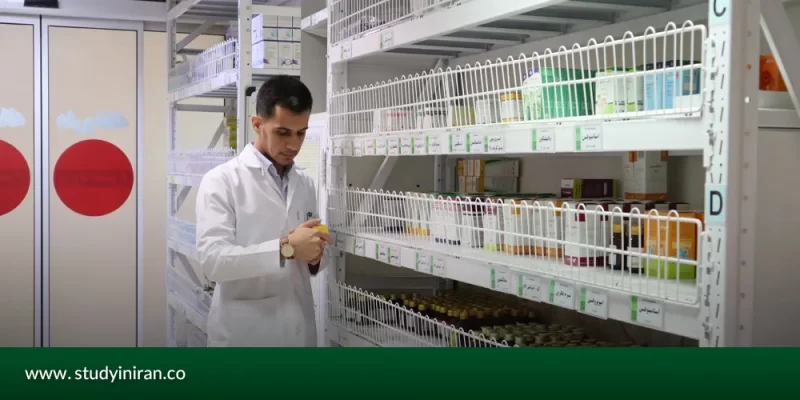
Iran has a healthcare system that combines public and private sectors, and it is important for immigrants to understand how it operates compared to Europe or the U.S. The quality of medical services has improved significantly in recent years, and major cities like Tehran, Isfahan, and Shiraz have modern, well-equipped hospitals where even complex procedures such as heart surgery or cancer treatment can be performed without returning to the home country.
The private sector is popular among immigrants due to greater convenience and shorter waiting times. Medical costs in Iran are generally lower than in the U.S. and Europe; basic consultations range from $20 to $50, while complex surgeries may cost a few thousand dollars, still comparatively affordable.
Emergency services in major cities are well-developed, though quality may vary in smaller towns. Health insurance is recommended for immigrants. With insurance, most medical expenses are largely covered, but without it, costs can be very high. Some insurance plans have limitations for pre-existing conditions. Payments are typically made directly at the point of service, with patients reimbursed later by their insurance providers.
Transportation System in Iran
Immigrants in Iran have access to various transportation options, each with its own advantages and challenges. Public transportation includes buses, metro systems in major cities, and intercity rail networks. In Tehran, the metro is a popular and affordable choice, covering most areas of the city. Buses are also widespread but can be crowded and uncomfortable during peak hours.
Traffic in large cities like Tehran is usually heavy, and driving styles may be challenging for newcomers, especially students planning to study in Iran. In smaller cities and rural areas, traffic is lighter, but road conditions can vary. Legal driving for immigrants generally requires an international driving license along with a license from their home country. Road signs are mostly in Persian, and traffic rules may not always be strictly followed, so caution is necessary.
Taxis are a common and inexpensive option, and ride-hailing apps like Snapp and Tap30 have become popular in major cities. For longer trips, domestic flights between major cities offer a fast and reliable alternative.
Education System in Iran
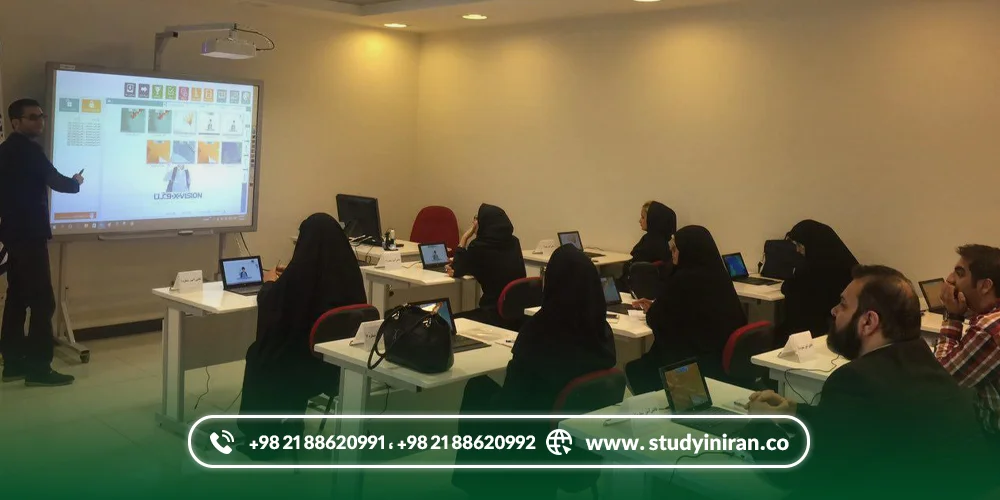
Iran can be a suitable option for families and immigrants, particularly regarding children’s education. For immigrants, international schools are usually the primary choice, offering programs similar to IB, American, or British curricula. Major cities such as Tehran, Shiraz, and Isfahan host several international schools, including Tehran International School and the British School of Tehran. Tuition at these schools typically ranges from $5,000 to $20,000 per year, depending on the grade level and school facilities.
International schools provide a familiar environment for immigrant children, with diverse extracurricular activities and supportive services. In contrast, local schools teach in Persian and follow a different curriculum, offering a lower-cost option and a full cultural and linguistic experience. Attending local schools requires sufficient proficiency in Persian, and additional language classes may be necessary.
Iranian society places strong emphasis on family values, and child-friendly activities are common in daily life. However, immigrant families should be prepared to adapt to the local language, customs, and lifestyle.
Work and Business in Iran
The job market for immigrants in Iran has its own characteristics and is largely shaped by the country’s economic conditions and regulations. Common employment sectors for immigrants include oil and gas, engineering, information technology, education (especially English language teaching), and humanitarian work with international organizations. Some positions, particularly in government or security sectors, are generally restricted for foreigners.
Proficiency in Persian is a significant advantage in Iran’s job market. While interactions in some multinational companies may be conducted in English, knowledge of the local language is essential for professional communication and daily interactions, and demonstrates respect for local culture.
To work legally, immigrants need a work permit, typically obtained through an employer and renewed annually. This permit is tied to a specific job, and changing employers requires obtaining a new permit. Job searches are usually conducted through specialized websites, immigrant networks, international companies, or personal connections.
Starting a business as a foreigner is possible but comes with limitations and challenges, including restrictions on ownership, types of activities, and complex legal and tax procedures. Consulting a lawyer or legal advisor is essential to understand the relevant laws and regulations.
Banking and Financial Services for Immigrants in Iran
Iran’s banking system has unique characteristics and differs from those in the U.S. or Europe. Banks are generally safe and reliable for everyday banking needs, but due to international sanctions and restrictions, they have limited connections to the global financial system, which can pose challenges for immigrants.
Opening a bank account as an immigrant typically requires documents such as a residence permit, work permit, passport, and an Iranian national ID number. Some banks may also request a reference from an employer or sponsor. This process is usually more time-consuming and complex than in Western countries.
Banking services include savings and checking accounts, money transfers, and loans. However, international credit cards and foreign checks are not widely accepted. Online banking is mostly limited to domestic transactions and may not be very user-friendly. ATMs work well in cities but do not accept foreign cards.
Transferring money between Iran and other countries is difficult due to sanctions, which is important for those with financial obligations or investments abroad. Immigrants should familiarize themselves with Iranian tax laws and seek professional advice to ensure compliance and proper financial management.
Safety for Immigrants in Iran

Overall, Iran is relatively safe for immigrants, with rates of violent crime lower than in many Western countries. Petty crimes, such as pickpocketing or theft, do occur but are not highly prevalent. Standard safety precautions—protecting valuables and avoiding poorly lit areas at night—are recommended.
For Western immigrants, one specific concern may be being perceived as politically significant. This is mostly geopolitical and can cause issues during times of heightened tension. Staying informed through current news and exercising caution in political discussions or activities is advised.
Adhering to local laws, cultural norms, and social etiquette is crucial. Rules regarding dress codes, alcohol consumption, and social behavior should be followed, as violations can have legal consequences. In case of legal issues, consulting the embassy or a local lawyer is recommended.
Most major urban areas, especially Tehran, Isfahan, and Shiraz, are generally safe, with a visible police presence. However, security in border regions near Iraq, Afghanistan, and Pakistan can be unstable, and travel to these areas is usually discouraged.
Climate in Iran
Iran has a wide range of climatic conditions. Summers are long, hot, and dry with abundant sunshine, while winters are short and cool. January is the coldest month, with temperatures around 5°C, and August is the hottest, often exceeding 30°C. Coastal areas along the Persian Gulf experience high humidity.
- West and Southwest: Hot and dry
- Central Iran: Hot and dry
- East and North: Moderate and relatively humid, with summer temperatures above 22°C
- Northern mountainous regions: Cold winters with snow and hot, dry summers
Annual rainfall is limited, mostly occurring from November to March, with an average of less than 25 cm per year. Summers (June to August) are nearly rainless.
Access to Iran
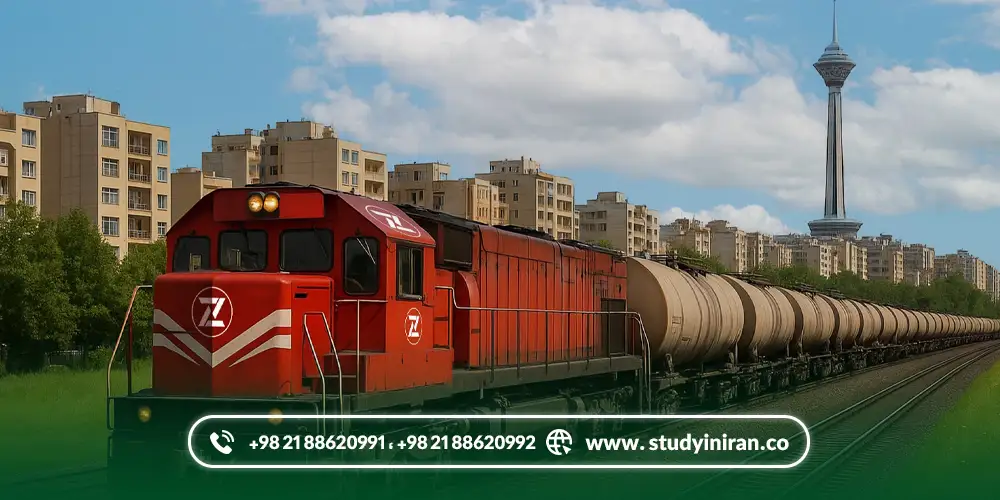
The main international airport is Imam Khomeini International Airport (IKIA), located 37 km southwest of Tehran, handling all international flights. In addition, around 70 regional airports, including Shiraz, Mashhad, and Isfahan, offer international services. Major Iranian airlines include Iran Air, Aseman Airlines, and Mahan Air.
For land travel, for example from Turkey, a visa, international driving license, valid third-party insurance, and a temporary vehicle entry document (Carnet de Passage) are required. Immigrants are advised to consult driving associations in their home countries for guidance.
Final Thoughts
Living in Iran offers a unique and enriching experience, blending culture, history, and distinctive natural landscapes. From relatively low living costs to academic and career opportunities, the country can be highly appealing for immigrants and international students. However, understanding local laws, cultural norms, and the Persian language is essential for a smooth and successful experience. For students planning to study in Iran, the Study in Iran institute serves as a comprehensive and reliable resource, providing guidance, advice, and support throughout the admission process and daily life, making educational migration simpler and more secure.
Frequently Asked Questions
Life in Iran is generally safe and calm, especially in major cities like Tehran, Isfahan, and Shiraz. Iranian society places strong emphasis on families and children, and immigrants are usually treated with respect. However, understanding and respecting local culture and laws is essential.
Living costs vary by city. In Tehran, a comfortable monthly budget ranges from $1,000 to $1,500, while smaller cities like Isfahan or Shiraz require around $800 to $1,200. Food, public transportation, and dining out are relatively affordable.
A work permit and employer sponsorship are required to work legally. Job opportunities are more common in sectors such as oil and gas, engineering, IT, and English teaching. Starting a business is possible but comes with legal restrictions and procedural requirements.
Immigrants can choose between international and local schools. International schools, such as Tehran International School, follow American, British, or IB curricula, with tuition ranging from $5,000 to $20,000 per year. Local schools are less expensive but teach in Persian.
Iran has diverse climates: the north and mountainous areas are cold and snowy, the central and southern regions are hot and dry, and some eastern and northeastern areas are moderate and humid. Urban transportation is accessible and affordable via metro, buses, and taxis, though traffic in major cities can be heavy.
0 Reply To “Life in Iran”