

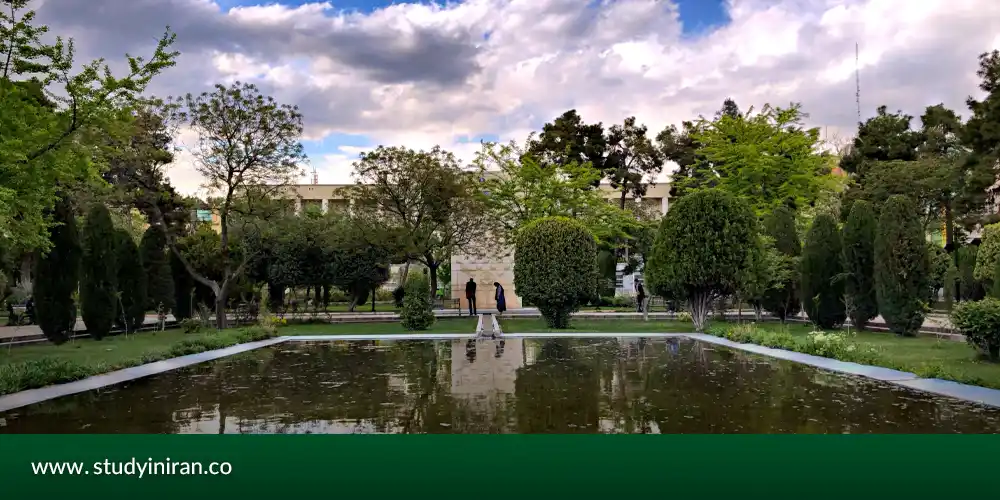
Universities in Iran have gained notable positions in global rankings based on their academic performance, research output, and international reputation. Rankings assess factors such as research quality, scientific impact, international collaborations, and expert evaluations, providing a clear picture of each university’s strengths and capabilities.
Understanding university ranking in Iran is particularly important for international students and prospective applicants, as it offers practical guidance for selecting the right university and planning an academic and research pathway. The rankings also highlight which Iranian universities provide stronger opportunities for research, international exposure, and academic advancement both regionally and globally.
Top Universities in Iran
University of Tehran
Ranked 1st in Iran and #281 globally. The largest and most prestigious university in the country, offering a wide range of programs and research opportunities for over 55,000 students.
Islamic Azad University, Tehran
Ranked 2nd in Iran and #403 globally. Offers diverse programs across its extensive network throughout the country.
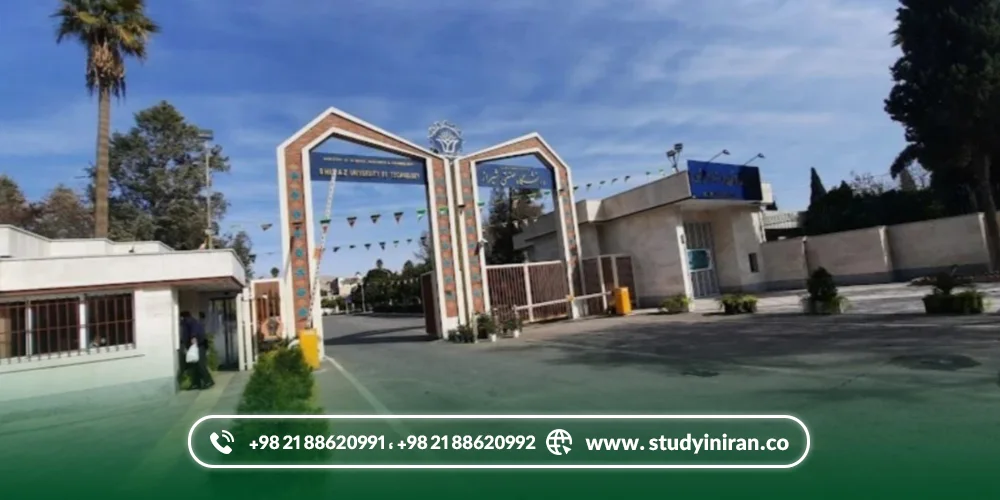
Shiraz University of Technology
Ranked 3rd in Iran and #565 globally. Focuses on engineering and basic sciences, recognized as a center of technology and innovation.
University of Tabriz
Ranked 4th in Iran and #584 globally. Known for its strong research history and broad scientific and engineering programs.
Tehran University of Medical Sciences
Ranked 5th in Iran and #588 globally. Leading medical university with focus on clinical education and specialized research.
Amirkabir University of Technology (Tehran Polytechnic)
Ranked 6th in Iran and #712 globally. Specializes in engineering and applied sciences, with strong industrial research.
Tarbiat Modares University
Ranked 7th in Iran and #737 globally. A graduate-level university offering master’s and PhD programs in sciences and engineering.
Tabriz University of Medical Sciences
Ranked 8th in Iran and #781 globally. Offers medical, nursing, and public health programs in the northwest region.
Mashhad University of Medical Sciences
Ranked 9th in Iran and #810 globally. Known for medical research and clinical education.
Shiraz University of Medical Sciences
Ranked 10th in Iran and #841 globally. Provides specialized clinical training and health research in southern Iran.
Iran University of Medical Sciences
Ranked 11th in Iran and #857 globally. Focused on medical education, clinical research, and postgraduate programs.
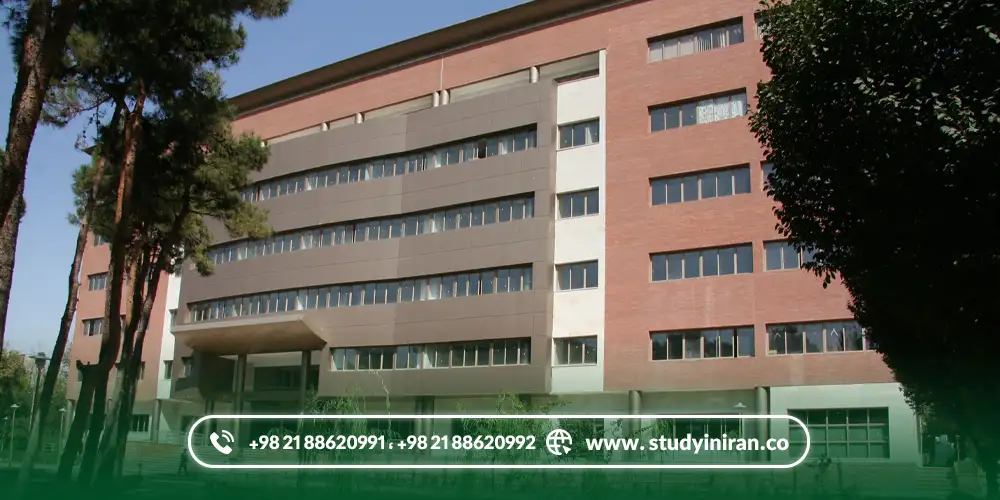
Iran University of Science and Technology
Ranked 11th in Iran and #857 globally. Strong in engineering and technology with extensive research programs.
Shahid Beheshti University
Ranked 11th in Iran and #857 globally. Offers specialized programs with emphasis on research and healthcare.
Gorgan University of Agricultural Sciences and Natural Resources
Ranked 14th in Iran and #891 globally. Specializes in agriculture and natural resources with applied research.
Isfahan University of Technology
Ranked 15th in Iran and #908 globally. Focused on engineering, basic sciences, and industrial research.
Mazandaran University of Medical Sciences
Ranked 16th in Iran and #937 globally. Offers medical education and public health programs.
Babol University of Medical Sciences
Ranked 17th in Iran and #1,018 globally. Focused on medical training and clinical research.
Noshirvani University of Technology
Ranked 18th in Iran and #1,022 globally. Emphasizes engineering and applied sciences.
Shiraz University
Ranked 19th in Iran and #1,032 globally. A comprehensive university offering programs in sciences, engineering, and humanities.
Ferdowsi University of Mashhad
Ranked 20th in Iran and #1,048 globally. Offers diverse programs and extensive research opportunities.
Kermanshah University of Medical Sciences
Ranked 21st in Iran and #1,084 globally. Focused on medical and nursing education in western Iran.
Isfahan University of Medical Sciences
Ranked 23rd in Iran and #1,157 globally. Offers medical education and clinical research programs.
K.N. Toosi University of Technology
Ranked 24th in Iran and #1,169 globally. Focused on aerospace, electrical engineering, and advanced technologies.
Kerman University of Medical Sciences
Ranked 25th in Iran and #1,176 globally. Offers medical education and clinical research.
Imam Khomeini International University
Ranked 26th in Iran and #1,259 globally. Offers international programs with instruction in English.
Urmia University
Ranked 27th in Iran and #1,284 globally. Comprehensive programs in sciences and engineering with applied research.
Shiraz University of Technology
Ranked 28th in Iran and #1,291 globally. Focuses on applied engineering and technology programs.
University of Kashan
Ranked 29th in Iran and #1,330 globally. Offers engineering, basic sciences, and humanities programs.
Guilan University of Medical Sciences
Ranked 30th in Iran and #1,360 globally. Focused on clinical education and health research.
University of Isfahan
Ranked 30th in Iran and #1,360 globally. Offers diverse academic, research, and cultural programs.
Moqarrab Ardabili University
Ranked 32nd in Iran and #1,499 globally. Young university focused on applied research across multiple fields.
Jundi-Shapur University of Ahvaz
Ranked 33rd in Iran and #1,534 globally. Provides medical education and specialized training.
Shahid Chamran University of Ahvaz
Ranked 34th in Iran and #1,573 globally. Comprehensive programs in sciences, engineering, and applied research.
Guilan University
Ranked 34th in Iran and #1,573 globally. Offers diverse scientific and research programs.
University of Kurdistan
Ranked 36th in Iran and #1,592 globally. Focused on applied research and engineering programs in western Iran.
Urmia University of Medical Sciences
Ranked 36th in Iran and #1,592 globally. Offers clinical and research programs.
Bu-Ali Sina University
Ranked 38th in Iran and #1,608 globally. Comprehensive programs in sciences, engineering, and humanities.
Hamedan University of Medical Sciences
Ranked 39th in Iran and #1,706 globally. Focused on specialized medical education and clinical programs.
Shahid Bahonar University of Kerman
Ranked 40th in Iran and #1,730 globally. Offers programs in engineering, basic sciences, and technology.
Tuition Fees for International Students at Top Iranian Universities
Tuition for international students in Iran is charged in euros and does not include accommodation, food, or insurance. Universities reserve the right to adjust fees without prior notice.
Non-resident international students (per semester):
- Persian language, humanities, social and behavioral sciences: €850–€1,150
- Other programs: €1,150–€1,700
- Art, engineering, basic sciences, agriculture, and veterinary programs: €1,500–€2,150
Note: If more than one family member studies at the University of Tehran simultaneously, tuition for the second and subsequent members is discounted.
Afghan students and international students with Iranian residency:
- Humanities, social and behavioral sciences:
- Bachelor’s: €465
- Master’s & DVM: €465
- PhD: €650
- Art, engineering, basic sciences, agriculture, and veterinary programs:
- Bachelor’s: €600
- Master’s & DVM: €600
- PhD: €800
These fees are relatively affordable compared to many other countries and, combined with high-quality education and extensive university facilities, offer a valuable opportunity for international students.
Admission Requirements and Steps for Top Iranian Universities
To obtain admission to leading Iranian universities and secure a student visa, international applicants must follow a series of steps and meet specific requirements:
- Contact the University
Begin by reaching out to the university or institution to get detailed information about your intended program, admission requirements for international students, required documents, tuition fees, and deadlines. This helps plan your application process accurately.
- Visa Preparation
International students need a student visa to study in Iran. Check the visa requirements for your country in advance and ensure your passport is valid for at least six months.
- Submit Admission Application
Complete the university’s admission form, usually available online, though some universities may require a printed version. Ensure all personal, academic, and contact information is accurate.
- Document Submission
Required documents typically include transcripts, previous diploma or degree certificates, language proficiency proof (if applicable), passport, photos, and any other documents specified by the university. Non-English or non-Persian documents must be officially translated.
- Pay Tuition and Fees
International students must pay application, tuition, and sometimes visa fees. Follow payment instructions carefully and meet deadlines to avoid delays in admission.
- Obtain Health Insurance
Most universities require valid health insurance for international students. Arrange insurance before arriving in Iran and provide proof to the university.
- Receive SAORG Code
International students must obtain a special identification code called SAORG from the Ministry of Science, Research, and Technology. This code is used for student verification, immigration, and security purposes.
- Enrollment and Attendance
After admission, register in person at the university on the dates specified in your acceptance letter. Bring original documents, completed forms, proof of tuition payment, and identification.
- Orientation Session
Attend the university orientation to familiarize yourself with campus facilities, services, dormitories, and meet other international students.
- Professional Guidance
To ensure all steps—from document submission and fee payment to coordination with the university—are completed smoothly, using services like Study in Iran is recommended for full support throughout the admission process.
Conclusion
Iran University Rankings highlight a diverse and high-quality higher education system that offers ample opportunities across a wide range of fields, from medical and engineering sciences to humanities and arts. Selecting a university based on rankings and educational quality allows students to plan their academic and professional paths with greater confidence. For comprehensive information on Iranian universities, admission requirements, programs, and campus facilities, Study in Iran serves as a reliable starting point for planning studies in the country.
Frequently Asked Questions
Rankings are determined by research performance, quality of education, academic community feedback, and the universities’ standing in Asia and worldwide.
The top universities include the University of Tehran, Islamic Azad University, Sharif University of Technology, and University of Tabriz.
National ranking reflects a university’s position within Iran, while global ranking shows its standing internationally in comparison to other universities worldwide.
Yes, higher-ranked universities generally attract more international students and offer degrees with greater global recognition.
No, only universities with significant academic and research performance registered in global databases are ranked.
Visit reputable global ranking websites and official university sites to explore program details, admissions, and research metrics.
Yes, a university may rank highly in certain fields while having lower standings in others.
Graduates from higher-ranked universities usually have better opportunities for employment in reputable industries, research positions, and further studies abroad.
Medical and technical universities are ranked based on their respective specialized criteria, such as research output and teaching quality, though the overall evaluation methodology is similar.
By examining national and global rankings, program quality, research facilities, faculty, and international opportunities, students can identify the most suitable university for their academic and career goals.

0 Reply To “Iran University Rankings”