

- Best Time to Travel to Iran
- Travel Insurance for Iran
- Currency and Expense Management
- Communications and Internet Access in Iran
- Accommodation Options
- Guide to Social Etiquette and Culture in Iran
- Tourist Destinations in Iran
- Key Historical Sites in Iran
- Food and Beverage Costs in Iran
- Main Airports in Iran
- Nature Tourism in Iran
- Markets and Shopping in Iran
- Visa Requirements for Iran
- Final Thoughts
- Frequently Asked Questions
Traveling to Iran offers a unique opportunity to explore a land where deep-rooted historical traditions blend seamlessly with modern life. This fusion is evident across diverse and breathtaking landscapes, where each scene tells a different story. Situated in the heart of Western Asia, Iran has become a crossroads for cultures and civilizations, shaping a remarkable diversity in lifestyle, social customs, and urban landscapes. Each city unfolds its own unique narrative, reflecting both its past and present.
Iran’s layered history stretches back to ancient civilizations like the Elamites and the Achaemenids, continuing through the glorious Safavid and Qajar periods. The remnants of these eras are not only visible in historical structures and architectural artistry but are also deeply embedded in the language, culture, and social behaviors of its people. This continuity of history and everyday life makes Iran a destination where each visit, even for academic purposes, becomes a profound, multi-dimensional, and unforgettable experience.
Best Time to Travel to Iran
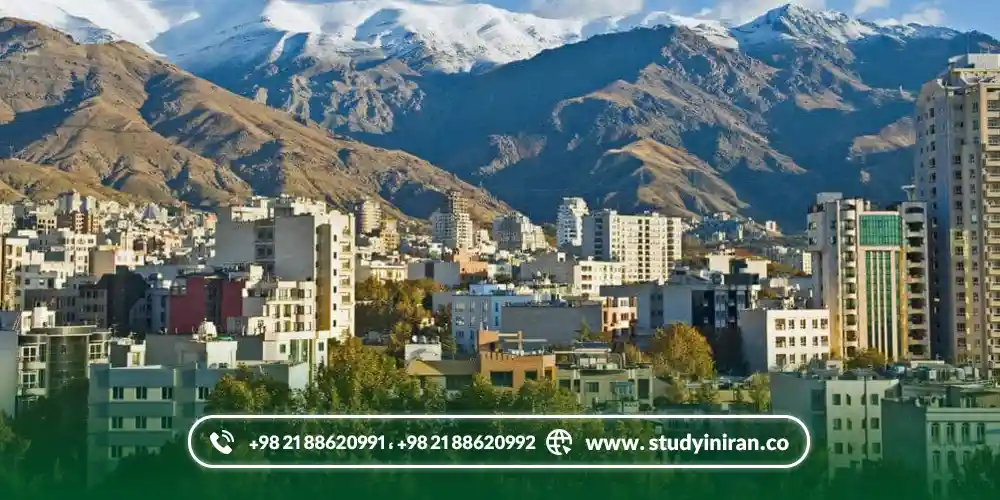
Choosing the right time to visit Iran significantly impacts the quality of the travel experience. Due to the country’s diverse climate, each region has its own unique weather conditions, making the ideal travel time vary depending on the destination.
Spring
Spring, particularly from late March to the end of May, is one of the most beautiful times to travel to Iran. The mild weather, lush greenery, and blooming flowers create an ideal atmosphere for exploring cities and natural areas.
Autumn
Autumn, from early September to late November, is also an excellent time to visit Iran. With the intense summer heat fading, the weather becomes cooler and more pleasant, making it easier to visit historical landmarks, desert cities, and natural routes.
Extreme Weather and Exceptions
Summers, especially in the central and southern regions, can be extremely hot, which may make travel challenging. On the other hand, winters in the northwest and northeast parts of the country can be quite cold. However, for those interested in winter sports, this season offers a great opportunity to visit the ski resorts around Tehran and the Alborz mountain range.
Travel Insurance for Iran
Having valid travel insurance is one of the essential requirements for traveling to Iran and obtaining a visa. This insurance should cover the entire duration of your stay in Iran and must comply with the country’s legal regulations. The coverage for medical expenses, trip cancellation, loss or theft of luggage, and emergency situations are some of the key elements to consider when selecting travel insurance. The importance of medical services during your trip to Iran is amplified due to differences in healthcare systems and costs.
Obtaining insurance that aligns with Iranian regulations will provide peace of mind throughout your trip.
Currency and Expense Management
Iran has a unique currency system, and understanding it makes travel easier. The official currency is the Iranian rial, but in daily transactions, the term “toman” is more commonly used. One toman is equal to ten rials. Understanding this difference can help prevent confusion during purchases and payments.
In Iran, cash is the most common method of payment. Due to international banking restrictions, foreign credit cards and international ATMs are generally not usable. Therefore, it is essential to carry sufficient cash. Currency exchange is best done at banks or licensed exchange offices in major cities, and it is advisable to avoid street currency exchange dealers. Keeping an eye on currency fluctuations and checking the daily exchange rates before converting large sums will help you manage your travel expenses more efficiently.
Communications and Internet Access in Iran
Reliable communication access is one of the main needs of any trip, and in Iran, obtaining a local SIM card is the best way to stay connected. Due to limited international roaming availability for many foreign operators, using a local SIM card becomes practically essential. Iranian SIM cards offer affordable rates for calls, texts, and internet services, making them a suitable choice for tourists.
For added convenience, tourist-specific SIM cards are available, designed to cater to the needs of foreign travelers. These SIM cards provide a variety of internet packages and easy recharge options, and they are fully compatible with local networks. Acquiring a SIM card either before arrival or upon entry ensures immediate access to the internet and communication services, saving time and avoiding the hassle of finding a suitable operator.
Accommodation Options
Traditional Stays
Eco-lodges and Traditional Houses
Eco-lodges (Boor-Gardis) are an ideal choice for those seeking an authentic experience that brings them closer to Iranian culture. These accommodations are typically renovated old houses in historic cities and offer a vivid glimpse into daily life and customs. With their central courtyards, traditional architecture, and intimate atmosphere, staying in these places provides tourists with a memorable cultural experience.
Modern Hotels
Modern hotels in Iran range from budget to luxury options, providing standard facilities and familiar comfort. Major cities such as Tehran, Isfahan, Shiraz, Mashhad, Yazd, and Kerman offer a wide variety of hotels, all with easy access to historical and cultural attractions. These hotels provide a reliable and comfortable stay, ensuring a pleasant experience for travelers.
Guide to Social Etiquette and Culture in Iran
Dress Code and Hijab
It is mandatory for women to observe the hijab and dress modestly in public. Wearing a headscarf and clothing that covers the arms and legs is both common and respected. A long coat (mantou) or a long dress paired with trousers is a standard choice. Men are also expected to wear long pants and shirts or short-sleeve t-shirts, avoiding shorts in public spaces.
Visiting Religious Sites
When visiting mosques and religious sites, special rules must be followed, such as removing shoes and wearing appropriate attire. In some places, women are required to wear a more complete covering, like a chador, to align with local customs and ensure a respectful visit.
Language in Iran
The official language of Iran is Persian (Farsi), and learning a few basic phrases can make your trip more comfortable and enjoyable. In tourist areas, many people speak English, making communication easier.
Safety and Security
Iran is generally considered a safe country for travelers, known for its warm hospitality and rich cultural heritage. However, like any international travel, it is important to follow basic safety precautions and be aware of the local conditions.
Tourist Destinations in Iran
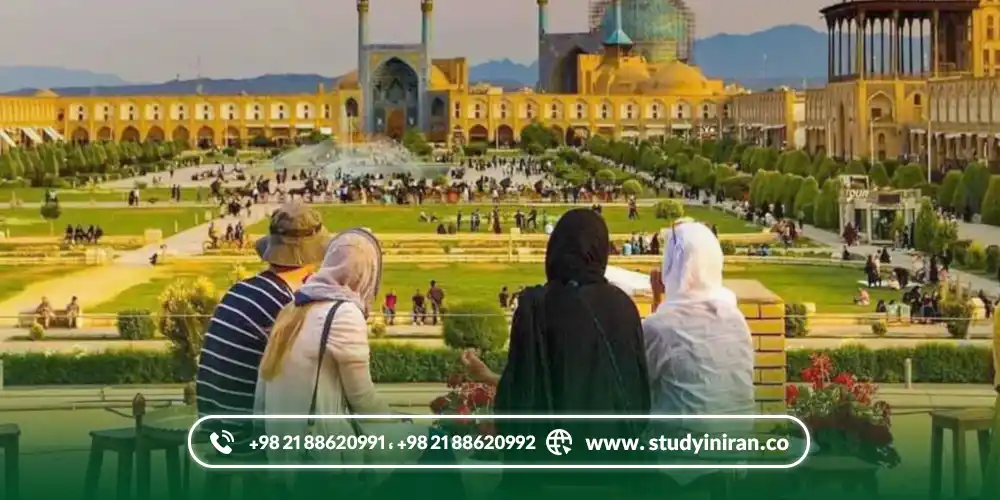
Each city in Iran has its own unique features and attractions, offering a rich cultural and historical experience. Here are some of the best cities to visit in Iran:
Tehran
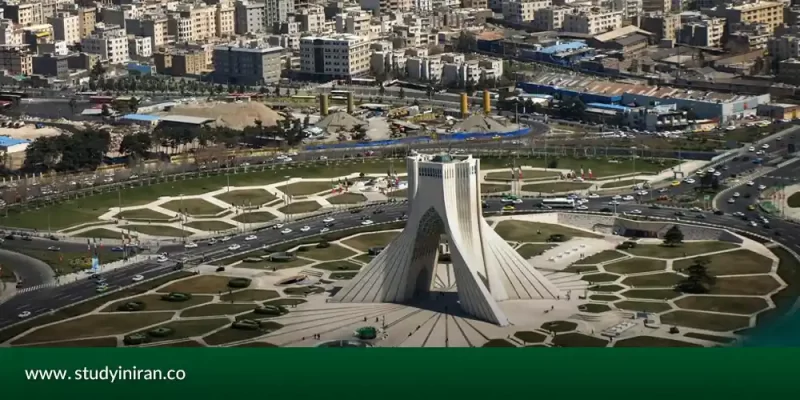
The bustling capital of Iran is a blend of modernity and tradition. Its main attractions include numerous museums, such as the National Jewelry Museum and the Golestan Palace, which are among the city’s key highlights.
Isfahan
Famous for its stunning Islamic architecture, Isfahan is home to the world-renowned Naqsh-e Jahan Square, the Ali Qapu Palace, and beautiful bridges across the Zayandeh River.
Shiraz
Known as the city of poetry, literature, and gardens, Shiraz is home to historical sites such as Persepolis, Eram Garden, and the tombs of the famous poets Hafez and Saadi.
Yazd
A UNESCO World Heritage city, Yazd is famous for its unique Persian architecture, wind towers, and Zoroastrian heritage, offering a distinct cultural and architectural experience.
Kashan
A historic city with old houses, traditional handicrafts, and textiles, Kashan is also close to the Maranjab Desert, making it an ideal destination for those interested in both culture and nature.
Key Historical Sites in Iran
- Golestan Palace – Tehran
A jewel of the Qajar era in the heart of Tehran, this palace is known for its stunning architecture and mirror work. It is a UNESCO World Heritage site. - Persepolis – Shiraz
The ceremonial capital of the Achaemenid Empire, Persepolis symbolizes the glory of ancient Iran. Its massive staircases and intricate bas-reliefs make it a must-visit destination for history enthusiasts. - Naqsh-e Jahan Square – Isfahan
A 17th-century square surrounded by beautiful mosques and palaces, it captures the golden age of the Safavid period. This square is one of the largest in the world and a popular destination for tourists and locals alike. - Jama Mosque – Isfahan
A remarkable example of Islamic architecture with a blend of historical styles developed over a thousand years, famous for its tile work and grand courtyards. - Pasargadae – Fars Province
The tomb of Cyrus the Great, the founder of the Achaemenid Empire, is located here. This UNESCO World Heritage site holds significant historical importance for those interested in ancient Iranian history. - Old City of Yazd
With its winding streets, adobe houses, and iconic wind towers, Yazd provides a unique glimpse into ancient Persian architecture and Zoroastrian traditions. - Historic Bazaar of Tabriz – Tabriz
One of the oldest bazaars in the Middle East, it serves as a social and cultural hub with a history spanning several centuries. - Bam Citadel – Kerman
A massive adobe fortress with towering walls that housed ancient communities. It has been rebuilt and preserved following an earthquake. - Shushtar Hydraulic System – Shushtar
An engineering marvel from the Sassanian period, this complex system of dams, bridges, and canals illustrates the ingenuity of ancient Persians in managing water resources. - Vank Cathedral – Isfahan
A beautiful blend of Islamic and Christian architecture, Vank Cathedral displays vibrant wall paintings and tile work that reflect the religious and cultural history of Armenians in Iran. - Soltaniyeh Dome – Zanjan
One of the largest brick domes in the world, it showcases exquisite turquoise tile work from the Mongol era. - Falak-ol-Aflak Castle – Khorramabad
A historic castle situated on a hilltop with breathtaking views, it has served as a prison and military base in various periods of history. - Chogha Zanbil – Khuzestan
An Elamite ziggurat, it preserves the ancient architecture and rituals of one of the earliest civilizations in Iran. - Tower of Silence – Yazd
A circular structure used by Zoroastrians for their burial practices, it offers a different perspective on Iran’s ancient culture. - Roudkhan Castle – Gilan Province
A medieval castle nestled in the heart of Gilan’s forests, it offers stunning views and is a popular destination for hiking and adventure enthusiasts.
Food and Beverage Costs in Iran
For daily budget planning, the average prices are as follows:
- Lunch: Around $7 to $10
- Dinner: Between $10 to $20 depending on the restaurant and location
- Non-alcoholic beverages: Around $1 to $2
Overall, traveling to Iran is quite affordable. However, the cost of studying and living there might be higher for students who aim for a low-budget education. It’s advisable to apply for a scholarship to study in Iran, so you can enjoy both your studies and explore various parts of the country, having enriching travel experiences.
Main Airports in Iran
Iran is connected to the world through several international airports, with the most important one being Imam Khomeini International Airport (IKA) in Tehran. Other key airports include:
- Mehrabad Airport (THR) in Tehran
- Shiraz International Airport (SYZ)
- Isfahan International Airport (IFN)
- Mashhad International Airport (MHD)
These airports offer essential services such as currency exchange, SIM cards, and transportation options.
Ground Transportation
- Taxis: Widely available and relatively inexpensive; it’s recommended to agree on the fare before getting into the taxi.
- Metro: Cities like Tehran, Mashhad, and Isfahan have efficient and affordable metro systems.
Domestic Travel
- Domestic Flights: Fast and convenient for long-distance routes.
- Trains: Scenic and comfortable routes, especially between Tehran and cities like Shiraz or Isfahan.
- Car Rentals: Ideal for travelers seeking complete freedom to explore at their own pace.
Nature Tourism in Iran
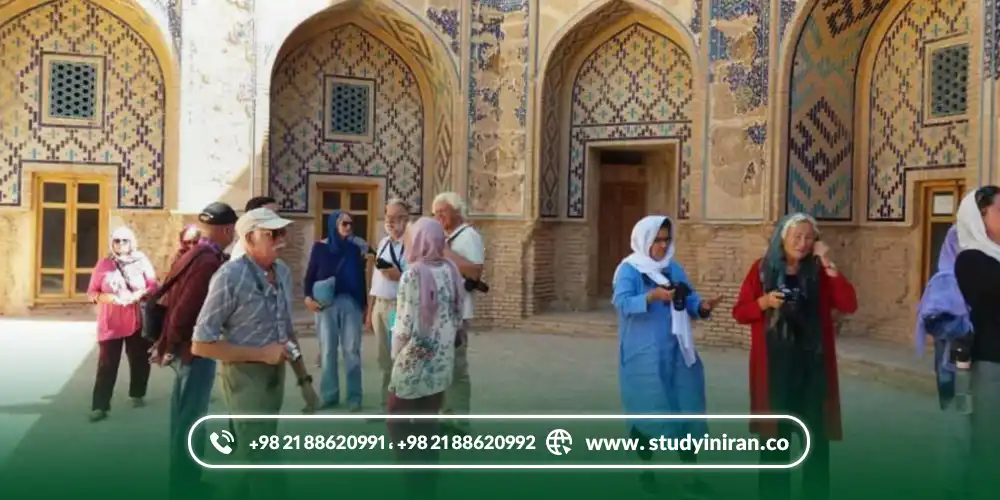
- Desert Tourism: The Dasht-e Kavir and Dasht-e Lut offer a chance to experience off-road driving on sand dunes, camel trekking, and stargazing under a clear sky.
- Mountaineering: The peaks of Alam-Kuh in the Alborz Mountains and Mount Dena in the Zagros range offer various climbing routes for mountaineers of all skill levels.
- Winter Sports: The ski resorts of Dizin and Shemshak near Tehran provide facilities for skiing and snowboarding, along with equipment rentals and amenities like restaurants and accommodation.
- Water Activities: The beaches of the Persian Gulf and Caspian Sea are perfect for diving, boating, and marine life observation, including diving in Kish Island and boating in Anzali Lagoon.
Markets and Shopping in Iran
- Grand Bazaar of Tehran (Panzdah Khordad or Golabdak): Offers a wide variety of spices, clothing, jewelry, and household items.
- Isfahan Bazaar: Famous for handmade wooden carvings and handicrafts, located near Naqsh-e Jahan Square.
- Historic Bazaar of Tabriz: An ancient market with diverse local products and handicrafts, listed as a UNESCO World Heritage site.
- Vakil Bazaar in Shiraz: Known for its stunning architecture and a wide range of local carpets and rugs.
Visa Requirements for Iran
Traveling to Iran, with its rich history and culture, requires careful understanding of visa regulations. Visa issuance conditions vary depending on the traveler’s nationality, but most tourists need to obtain a valid visa before arrival. Common documents for visa applications include a passport with at least six months of validity, a recent photo, travel itinerary, and, in some cases, travel insurance. Preparing these documents thoroughly will simplify the visa process.
Additionally, for those traveling to Iran for educational purposes, a student visa will be required. The necessary documents include academic records and an acceptance letter from the university.
Final Thoughts
Traveling to Iran offers a unique opportunity to discover a rich culture, ancient history, and diverse natural landscapes that captivate every traveler. From strolling through historic streets and witnessing magnificent architecture to experiencing desert tourism, mountaineering, and tranquil moments along the beaches of the Persian Gulf and the Caspian Sea, Iran provides a comprehensive journey of nature, art, and history.
For planning your trip and making the most of all the amenities, the consultants at Study in Iran can offer comprehensive and reliable guidance. This organization not only provides detailed information about attractions and travel routes but also shares practical advice on accommodation, transportation, food, and cultural experiences to ensure your trip to Iran is safe, comfortable, and unforgettable.
Frequently Asked Questions
Generally, spring (March to May) and autumn (September to November) are the best seasons to visit Iran. During these times, the weather is mild, and the nature and historical landscapes are at their most beautiful.
Most tourists need a visa before entering Iran. Required documents usually include a valid passport, a recent photo, a travel itinerary, and sometimes travel insurance.
Due to international card restrictions, cash payments in Iranian rials or tomans are common. Using a Tourist Card can also be a reliable and convenient payment alternative for tourists.
Iran is generally considered a safe country for tourists, with a low crime rate. However, it is recommended to follow local laws, avoid border areas, and pay attention to safety tips.
Handwoven carpets, saffron, miniature paintings, pottery and ceramics, and silverware are some of the most famous souvenirs from Iran, making great keepsakes from your journey.

0 Reply To “Travel to Iran”