

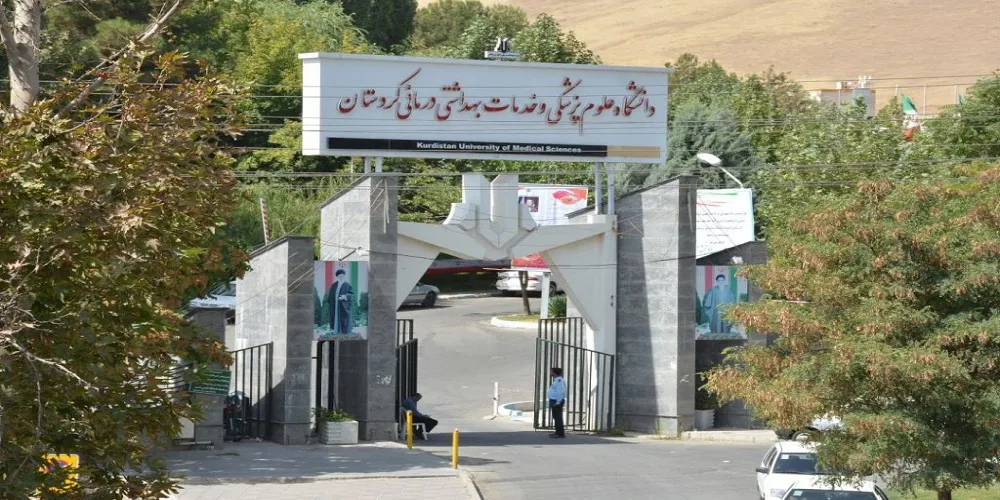

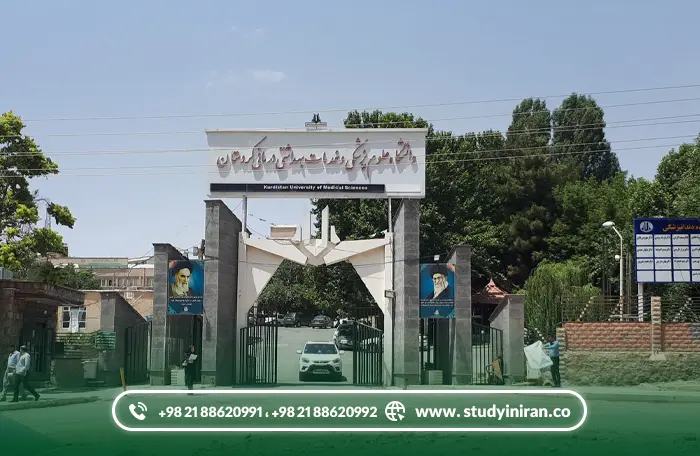
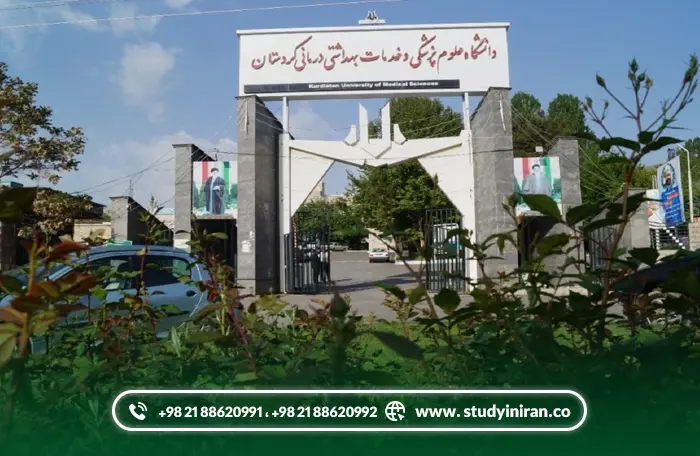
Kurdistan University of Medical Sciences – Overview
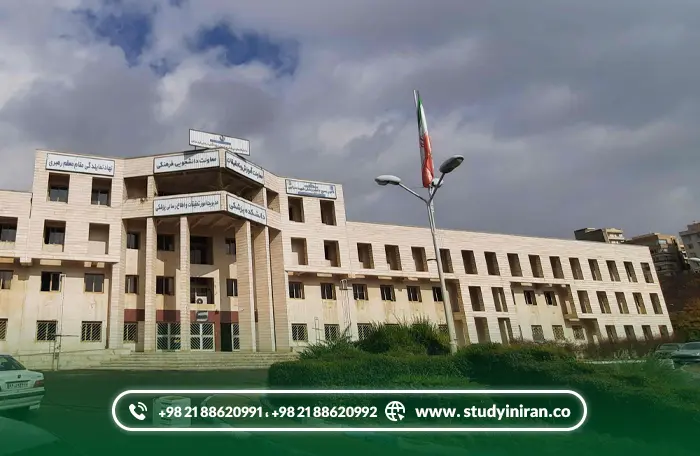
Kurdistan University of Medical Sciences is dedicated to training physicians and other healthcare professionals through modern, evidence-based education. With a focus on identifying emerging needs and opportunities in the healthcare sector, the university strives to make a positive impact on public health indicators—spanning the entire spectrum from research to the delivery of medical services.
By integrating up-to-date scientific knowledge into all levels of healthcare services, organizing targeted training programs for specific professional groups, assessing and addressing educational needs through specialized research, and collaborating with leading organizations and institutions at regional, national, and international levels, the university works to maintain and enhance the expertise of healthcare personnel in line with the highest possible standards.
History of Kurdistan University of Medical Sciences
Kurdistan University of Medical Sciences was founded in 1985 as an educational and research complex, initially admitting undergraduate students in Nursing and Laboratory Sciences. A year later, in 1986, the School of Nursing and Midwifery was established, enrolling students in associate degree programs in Nursing and Midwifery.
Following the approval of the Medical program by the Council for University Development in 1989 and the integration of the regional health organization, the “Kurdistan School of Medicine” was formed. In 1990, it was elevated to “Kurdistan University of Medical Sciences.”
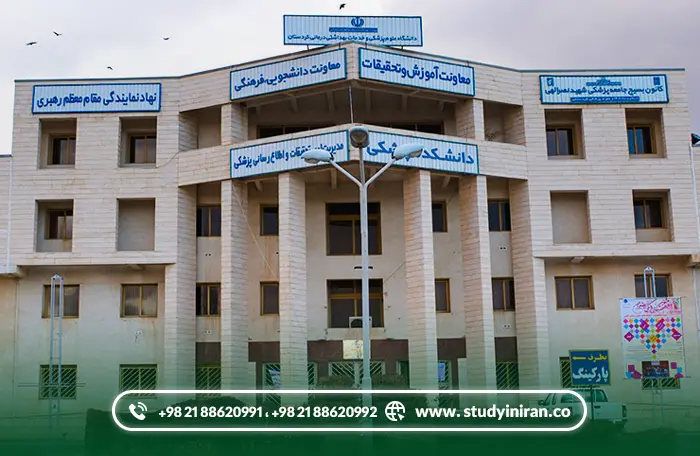
Today, the university comprises five faculties—Medicine, Allied Medical Sciences, Public Health, Dentistry, and Nursing & Midwifery—with 38 academic departments operating across its campus. It offers a wide range of programs at the undergraduate, non-continuous bachelor’s, master’s, master’s in technology, professional doctorate, specialty, subspecialty, Ph.D., research-based doctorate, and postdoctoral levels.
Currently, the university employs over 265 faculty members, including professors, associate professors, assistant professors, and lecturers, across various disciplines, and hosts more than 3,000 students.
In the 2019–2020 academic year, the university welcomed its first cohort of international students from the Kurdistan Region of Iraq, admitting them into Bachelor of Nursing, Doctor of Medicine (M.D.), and Doctor of Dental Surgery (D.D.S.) programs.
Kurdistan University of Medical Sciences Rankings

Kurdistan University of Medical Sciences is ranked 82nd in Iran, 1,921st in Asia, and 5,271st worldwide in 2025, placing it among the top 50% of institutions globally in 30 research disciplines.
The rankings are driven by strong research performance—5,280 published papers and 76,175 citations—as well as non-academic reputation and the impact of its alumni.
By subject, the university stands 871st in Epidemiology, 891st in Neurosurgery, and 1,051st in Pediatrics worldwide. It also ranks 7,022nd globally for non-academic reputation and maintains a top-50% position in 27 additional scientific fields.
Academic Programs at Kurdistan University of Medical Sciences
Based on the latest available information, the university offers a range of programs across both pre-clinical and clinical stages of medical education, as well as specialized faculties.
Pre-Clinical Stage (Basic Sciences)
- Anatomy
- Physiology
- Biochemistry
- Pharmacology
- Microbiology
- Pathology
Clinical Stage (Internship & Specialty Training)
- Internal Medicine
- Surgery
- Pediatrics
- Obstetrics & Gynecology
- Psychiatry
- Anesthesiology
- Emergency Medicine
Faculties
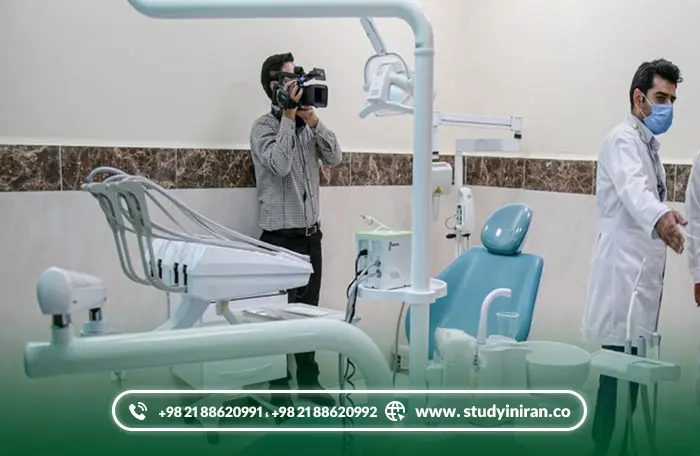
- Faculty of Dentistry
- Faculty of Public Health
- Faculty of Medicine
- Faculty of Nursing & Midwifery
- Faculty of Allied Medical Sciences
Admission Requirements – Kurdistan University of Medical Sciences

Prospective students who meet the eligibility criteria and wish to study at Kurdistan University of Medical Sciences—and obtain an Iranian student visa—must submit the application form along with the required documents to Foreign.Students@muk.ac.ir. Once the documents are reviewed, the Admissions Committee will notify applicants of the decision via email.
Required Documents
- Completed application form (available for download on the university’s website)
- Recent passport-size photo (female applicants must wear full hair covering)
- First page of a valid passport (minimum validity: 9 months)
- Academic certificate translated into English and verified by the Iranian Embassy or Consulate in the applicant’s home country
- Two recommendation letters (for postgraduate applicants)
- Statement of Purpose in English (for postgraduate programs)
- Curriculum Vitae (CV) (for postgraduate programs)
- Student visa application via the SARG portal
Academic Entry Requirements
- High School Diploma: Entry into Professional Doctorate or Bachelor’s programs
- Bachelor’s Degree: Entry into Master’s or Ph.D. programs
- Master’s Degree: Entry into Ph.D. programs
- Professional Doctorate: Entry into Residency programs
- Research Proposal: Required for applicants to research-based Ph.D. programs
- SAORG Portal: https://old.saorg.ir/
Language Requirements
- Persian Language Proficiency: Applicants without a Persian language certificate must enroll in the university’s Persian language courses and obtain a valid certificate (SAMFA test) before starting the clinical stage of their program.
- English Language Proficiency (if applicable):
- Undergraduate Programs: IELTS Academic 5.5, TOEFL PBT 525, or TOEFL iBT 69
- Postgraduate Programs: IELTS Academic 6, TOEFL PBT 525, or TOEFL iBT 69
Applicants without a valid certificate may take the Ministry of Health language proficiency exam.
Facilities and Opportunities at Kurdistan University of Medical Sciences

Kurdistan University of Medical Sciences is recognized as one of Iran’s reputable medical education centers, offering high-quality teaching, diverse research opportunities, and a multicultural environment that fosters both academic and professional growth.
Accreditation and Global Recognition
The university is officially accredited by Iran’s Ministry of Health and Medical Education, and its degrees are recognized nationwide. It is also listed in the World Directory of Medical Schools (WDOMS), ensuring graduates’ eligibility for international licensing exams and further studies abroad. Membership in the International Association of Universities (IAU) and partnerships with leading global institutions enable academic exchange, collaborative research, and the adoption of world-class medical education standards.
Language of Instruction & Multicultural Environment
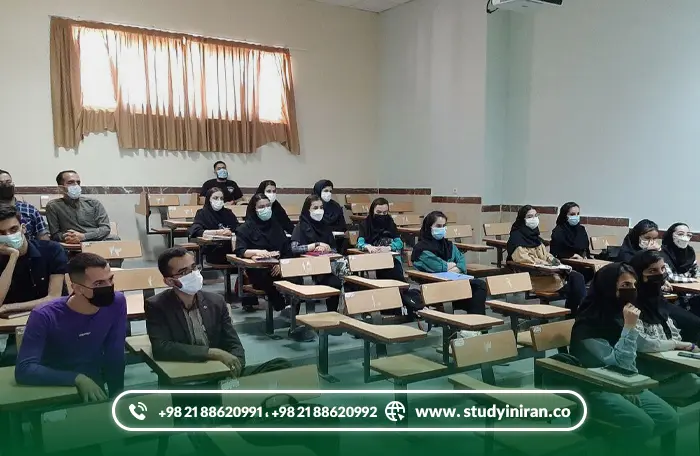
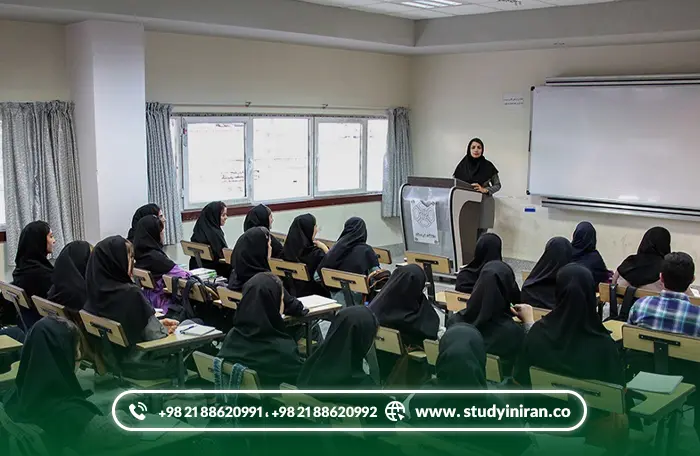
English is the primary language of instruction for international programs, helping students strengthen their language skills and prepare for global medical practice. The campus blends Kurdish, Iranian, and international cultures, creating a multicultural learning experience that broadens students’ perspectives and fosters personal growth.
Clinical Training & Hands-On Experience
The university works closely with multiple teaching hospitals, providing students with extensive clinical rotations across various specialties. This combination of theoretical learning and practical training equips graduates with strong professional skills and real-world readiness.
Support for International Students
International students benefit from a range of support services, including orientation programs, academic advising, mentoring, and cultural adaptation assistance. Scholarships are available to help reduce tuition costs and improve access to quality medical education.
Safe and Welcoming Location
Kurdistan Province is known for its safety and hospitality, offering a calm and secure environment that allows students to focus fully on their studies and personal development.
Post-Graduation Opportunities
Graduates of Kurdistan University of Medical Sciences, with globally recognized qualifications, are eligible to take exams such as USMLE, PLAB, and FMGE, paving the way for career opportunities in multiple countries. By delivering internationally approved education, the university prepares its students for success in the global medical arena.
Tuition fees at Kurdistan University of Medical Sciences
Tuition for international students at Kurdistan University of Medical Sciences depends on the program and level of study.
- Undergraduate programs – Around USD 1,500–1,600 per year, including Medicine, Nursing, and other health sciences.
- Master’s programs – Around USD 1,950–2,000 per year, for both professional and research-focused tracks.
These fees do not include accommodation, meals, health insurance, or personal expenses, which vary by lifestyle and location.
With comparatively low tuition and solid academic quality, the university offers good value for money. Scholarships are available to help reduce costs further.
Final Words
Studying at Kurdistan University of Medical Sciences is an excellent choice for students seeking internationally aligned medical education, strong clinical training, and a diverse, multicultural environment. The university blends theory with hands-on practice, offers access to experienced faculty, and partners with well-equipped hospitals to support both academic and professional growth.
For international students, benefits include affordable tuition, on-campus housing, academic support, cultural orientation programs, and research opportunities. If you’re looking to start your medical education at one of Iran’s respected universities, working with Study in Iran can make the process smoother. Their team provides expert guidance and end-to-end support through every step of admission and enrollment.
Frequently Asked Questions
Yes. The university is accredited by Iran’s Ministry of Health and Medical Education and is listed in the World Directory of Medical Schools (WDOMS). Its degrees are accepted for further study or medical practice in many countries.
English is the primary language of instruction. Persian language courses are also offered to help international students communicate effectively with patients during clinical training.
The flagship program is the Doctor of Medicine (MBBS), which includes pre-clinical and clinical stages. The university also offers Nursing, Midwifery, Dentistry, and various allied health programs.
The MBBS program takes six years: two years of basic sciences followed by four years of clinical training and hospital internships.
Yes. Affordable, well-equipped dormitories are available for international students, along with access to support services and amenities.
Yes. Scholarships and tuition discounts are offered to international students, particularly based on academic merit and financial need.
The university partners with several affiliated hospitals, providing extensive hands-on training across multiple specialties.
A high school diploma with strong grades in science subjects (Biology, Chemistry, Physics), a valid passport, proof of English proficiency (or completion of the Ministry of Health’s language exam), and completion of a Persian language course before clinical training.
Yes. Kurdistan is known for its safety and hospitality, offering a peaceful and supportive environment for study and daily life.
Graduates are eligible to sit for exams such as USMLE, PLAB, and FMGE, opening pathways to medical careers and advanced studies in various countries.
0 Reply To “Kurdistan University of Medical Sciences”